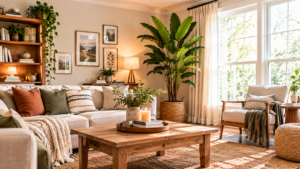
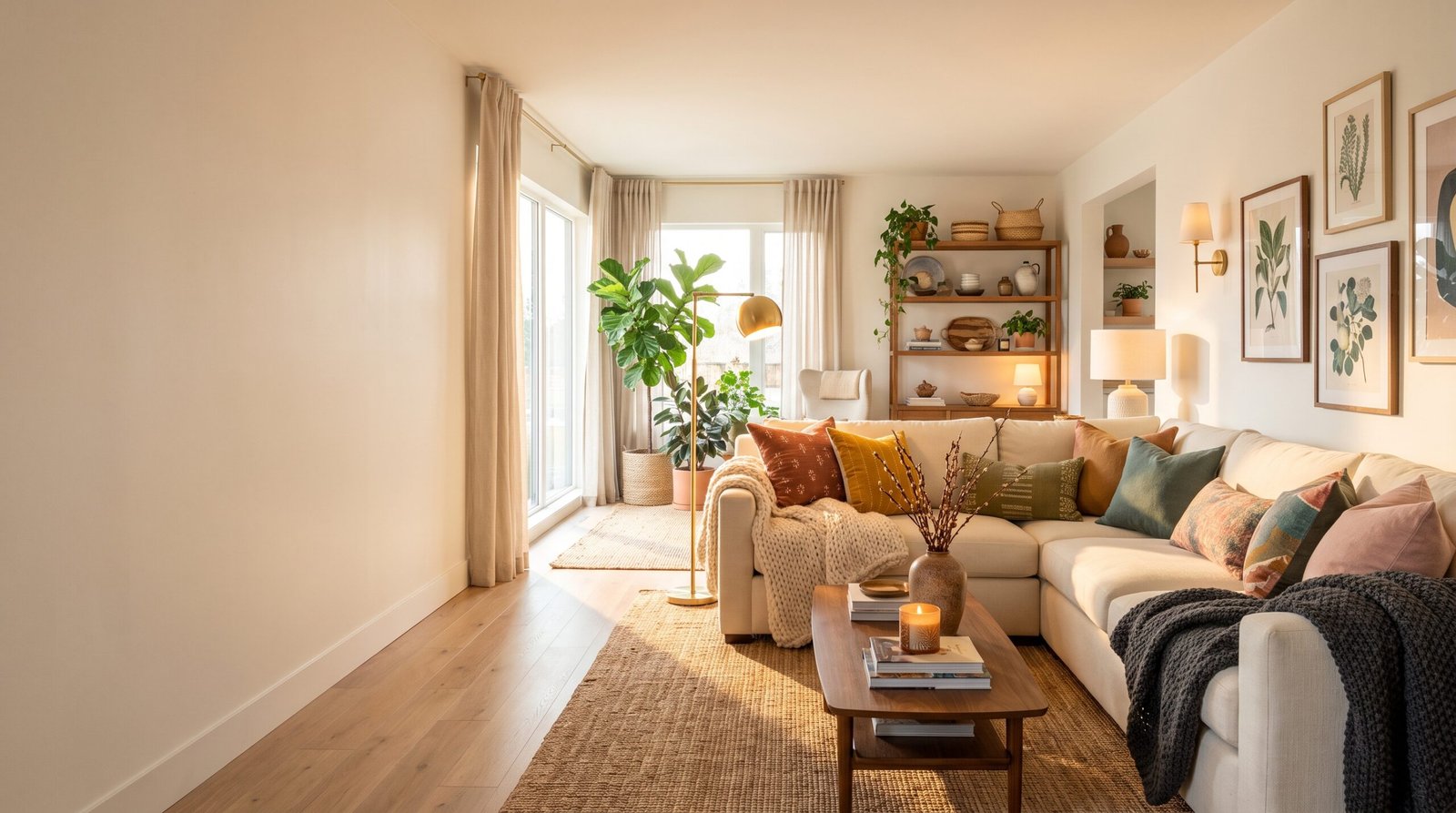
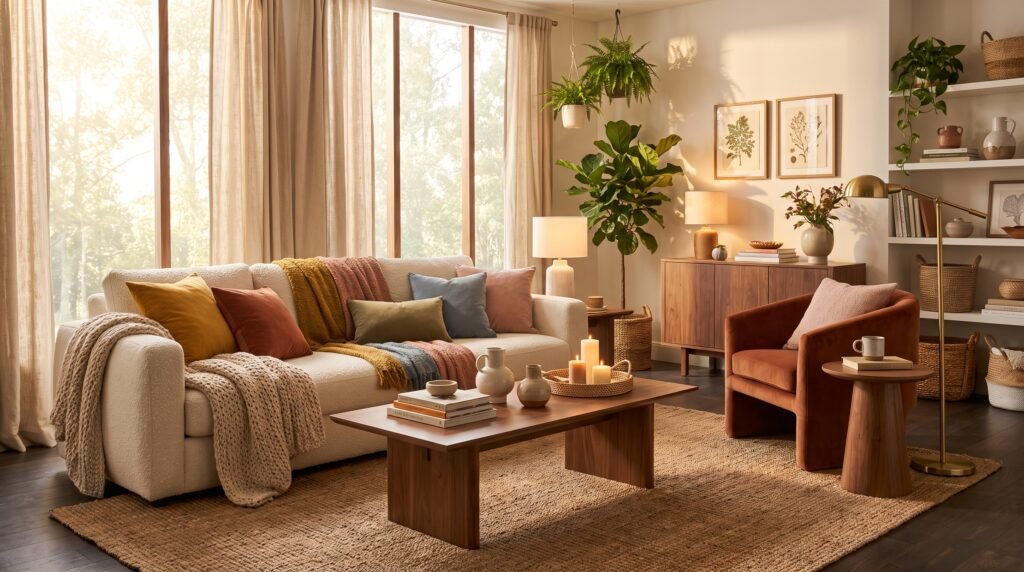
If you’ve been searching for cozy home ideas that actually work for real spaces — not just Pinterest fantasy rooms with unlimited budgets — you’re in exactly the right place.
Here’s the thing: most people assume coziness requires a full renovation, a design degree, or at least a few thousand dollars to spare. It doesn’t. The most inviting homes you’ve ever walked into probably got that way through small, intentional choices stacked on top of each other over time. Not one grand gesture. Layers.
This guide walks you through everything from the psychology of why certain spaces feel warm to the specific, practical moves that beginners can make today. No fluff. No vague advice about “following your heart.” Just the stuff that works.
📋 Table of Contents
- Why Most Beginner Cozy Home Ideas Fall Flat
- The Lighting Rule That Changes Everything
- Texture Is the Secret Language of Cozy Home Ideas
- Color Psychology and Cozy Home Ideas That Stick
- Plants, Scent, and the Forgotten Senses
- Furniture Arrangement and the Flow of Cozy Home Ideas
- Budget-Friendly Cozy Home Ideas That Make a Real Difference
- How to Sustain Your Cozy Home Ideas Over Time
Why Most Beginner Cozy Home Ideas Fall Flat
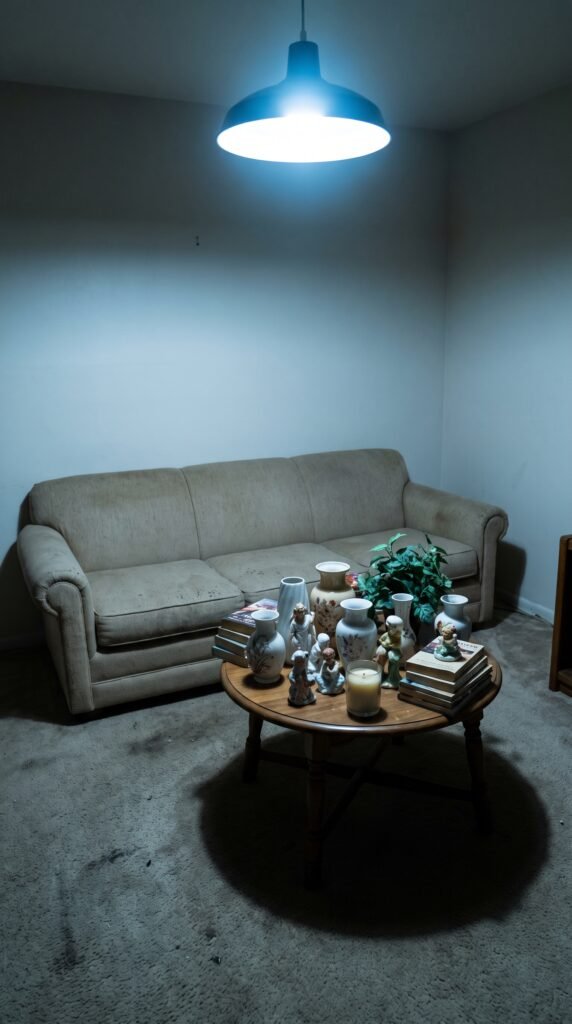
Picture this: you spend a Saturday afternoon rearranging furniture, adding a few candles, throwing a blanket over the couch. And then you sit back and… it still doesn’t feel right. Something’s off. But you can’t name it.
That’s the most common beginner trap.
Most people approach coziness as a decoration problem when it’s actually a sensory problem. Your brain registers a space as “cozy” through multiple channels at once — light, texture, temperature, sound, even smell. Fix only one of those and the room still feels incomplete. It’s like turning up the bass on a song that has no melody.
The other mistake? Thinking more stuff equals more cozy. It almost never does. Overcrowded shelves and mismatched decorative items create visual noise, and visual noise is the enemy of comfort. The spaces that feel genuinely warm tend to be edited down, not piled up.
Understanding this is the foundation. Everything else builds from here.
So before you spend a single dollar, take an honest look at your space and ask: what’s creating friction? What feels cold, harsh, or chaotic? Start by removing before you add.
The Lighting Rule That Changes Everything
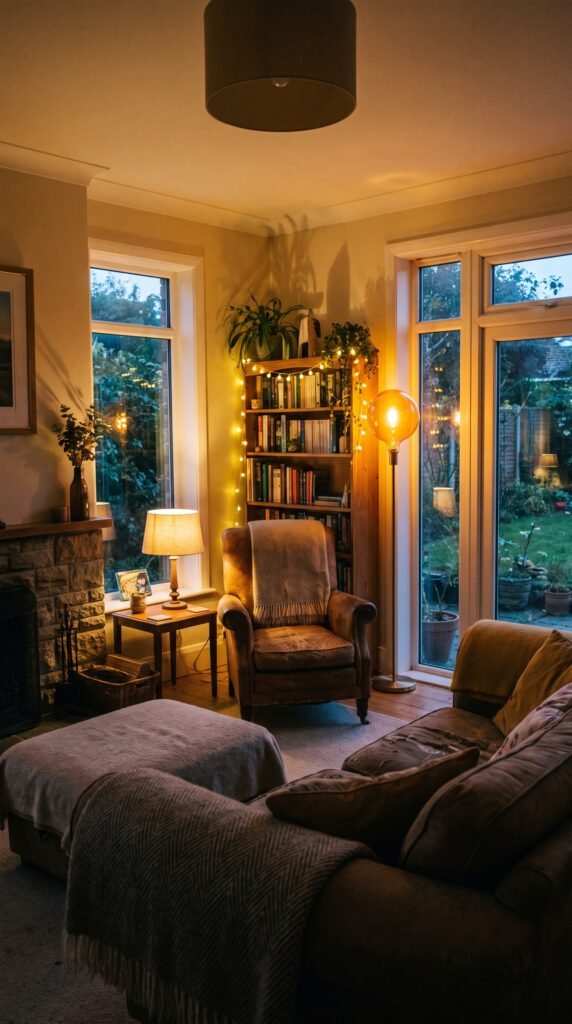
Lighting is where most cozy home ideas either succeed or completely fall apart.
Overhead lighting is the biggest culprit. That single ceiling fixture casting flat, even light across the whole room? It’s designed for function, not feeling. Think about it — you don’t find overhead fluorescents in cozy restaurants, hotel lobbies, or anywhere that wants you to relax. There’s a reason for that.
The fix is layering. And it doesn’t need to be expensive.
Here’s the basic framework that designers use without telling you they’re using it. You want ambient light (soft, general glow), task light (functional, targeted), and accent light (purely atmospheric). In a living room, that might look like a floor lamp in the corner, a reading lamp by the chair, and a string of warm-toned fairy lights on a shelf. The overhead stays off in the evenings.
Color temperature matters just as much as placement. Look for bulbs labeled “warm white” or 2700K–3000K. Cool white bulbs (4000K and above) feel clinical. They’re great for kitchens and bathrooms. In a bedroom or living room, they make even beautiful furniture feel cold and institutional.
One small shift that’s genuinely underrated: put your lamps on dimmer switches. Most people don’t bother, but being able to dial the light down at 8pm versus 2pm changes the entire mood of a room. According to research from the Lighting Research Center, warm, lower-intensity lighting directly influences relaxation and perceived comfort. This isn’t aesthetic preference — it’s biology.
Candles belong in this section too. Not because they’re trendy, but because flame light is biologically calming. Even flameless LED candles do a surprising amount of work. A cluster of three different-height candles on a coffee table or windowsill costs almost nothing and punches well above its weight.
Texture Is the Secret Language of Cozy Home Ideas
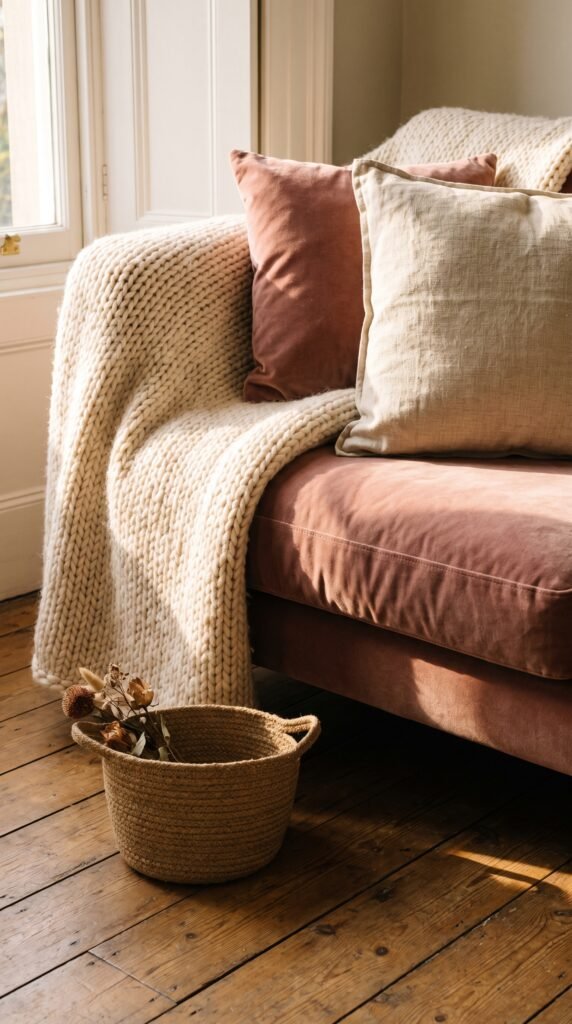
Run your hand across a cold glass table and then across a chunky knit blanket. Your nervous system responds differently. That’s not metaphorical — it’s physical.
Texture is the most underused tool in beginner decorating. And the good news is that adding texture costs very little.
Start with what you sit on, lean against, or walk across. Those are your high-impact zones. A sofa that looks okay might feel spectacular with two or three well-chosen throw pillows in different materials — maybe one velvet, one linen, one with a woven pattern. A bed that feels plain gains an entirely new personality from a chunky throw draped across the foot.
Rugs deserve their own moment here. A room without a rug often feels unfinished in a way people can sense but not always name. Hard floors are beautiful, but they’re acoustically and visually “hard.” A rug softens both. It absorbs sound (which makes a room feel quieter and more intimate) and visually anchors the furniture into a cohesive group. The Spruce has a solid guide on choosing the right rug size if you’re not sure where to start with proportions.
Natural materials carry warmth in ways synthetic ones rarely do. Wool, cotton, jute, wood, ceramic, linen. These materials have variation and imperfection built in, which reads as warmth to the human eye. A woven jute basket, a wooden tray, a ceramic mug left on a side table. Small things that add organic texture without trying too hard.
The goal isn’t to make everything matchy. It’s to make everything feel like it was chosen. There’s a difference.
Why Your Bedroom Ideas Aren’t Working (And the Simple Fix)
Color Psychology and Cozy Home Ideas That Stick
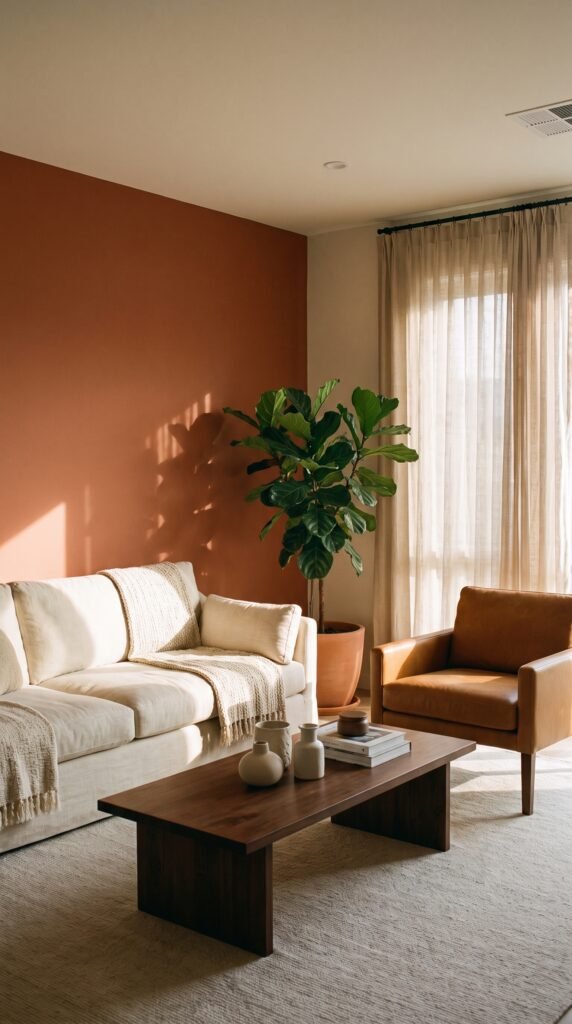
Color does something to mood that’s hard to explain until you experience it in your own space.
Cool tones — sharp whites, icy blues, grays without warmth — can be beautiful in the right context. But for coziness, they tend to work against you. They reflect light in ways that feel clean and open rather than warm and held.
Warm tones do the opposite. Think terracotta, caramel, soft sage, creamy off-white, warm greige, deep rust. These shades absorb light slightly, which makes a room feel more intimate. They also draw on nature — earth, wood, stone — which is why they feel instinctively comfortable.
Most people think changing wall color is a huge commitment. And yes, repainting takes effort. But there are workarounds. A warm-toned accent wall behind a sofa or bed shifts the whole color story of a room without touching the other three walls. Even adding warm-colored textiles (cushions, throws, curtains) can visually “warm up” a room that’s stuck in a cool palette.
Don’t overlook the ceiling. Painting a ceiling a very soft warm white — even just slightly creamier than the walls — makes a room feel lower (in the best way) and more enveloping. It’s a trick that interior designers use constantly and almost no one notices consciously. They just feel it.
7 Essential Cozy Bedroom Design Tips Every Beginner Needs to Know
Plants, Scent, and the Forgotten Senses
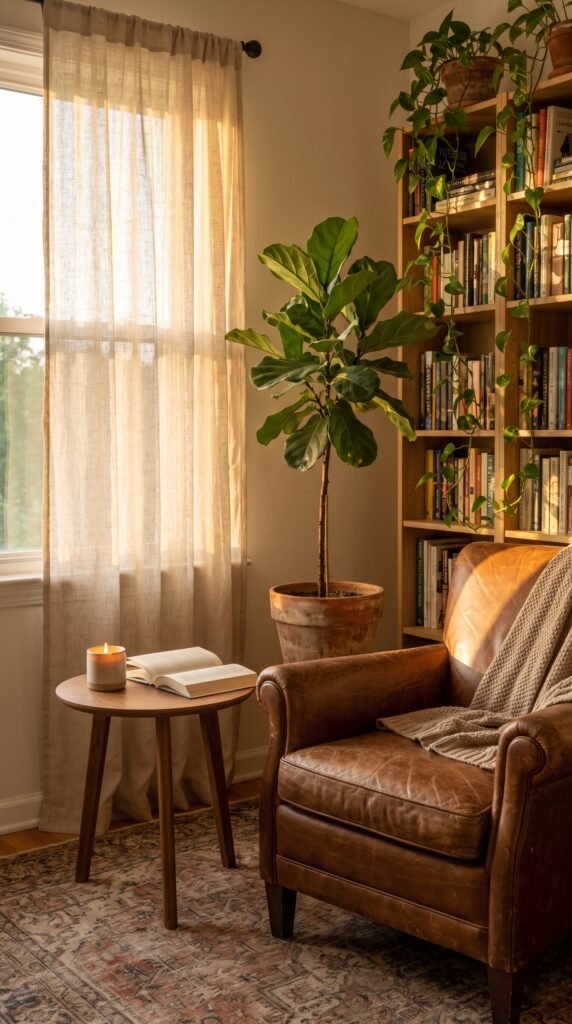
Here’s something most cozy home ideas guides skip entirely: your nose matters.
Scent is processed differently from other senses — it bypasses your conscious brain and goes straight to the limbic system, which handles emotion and memory. That’s why certain smells make you feel instantly at home before you’ve even looked around. Warm vanilla, cedarwood, cinnamon, sandalwood, clean linen. These aren’t random. They’re associated with warmth, safety, and familiar places.
A simple way to work scent into your home: choose one or two signature scents and stick with them consistently. A soy candle in the living room, a reed diffuser in the hallway. Over time, your brain starts associating that smell with your home. Guests will notice it before they notice anything visual.
Plants do layered work. They improve air quality (a fact, not a myth — NASA has studied this), they add color and organic shape, and they introduce something living into a space. That last part matters more than people acknowledge. A room with a healthy plant in it just feels less like a showroom and more like somewhere someone actually lives.
You don’t need a green thumb. Pothos, snake plants, ZZ plants, and peace lilies are all nearly indestructible. Start with one. Put it somewhere it’ll actually get noticed — a corner that needs something, a shelf that feels bare, a side table that’s currently just holding mail.
And if you’re not a plant person at all? High-quality faux plants have come a long way. The goal is the visual softness, not the biology.
Furniture Arrangement and the Flow of Cozy Home Ideas
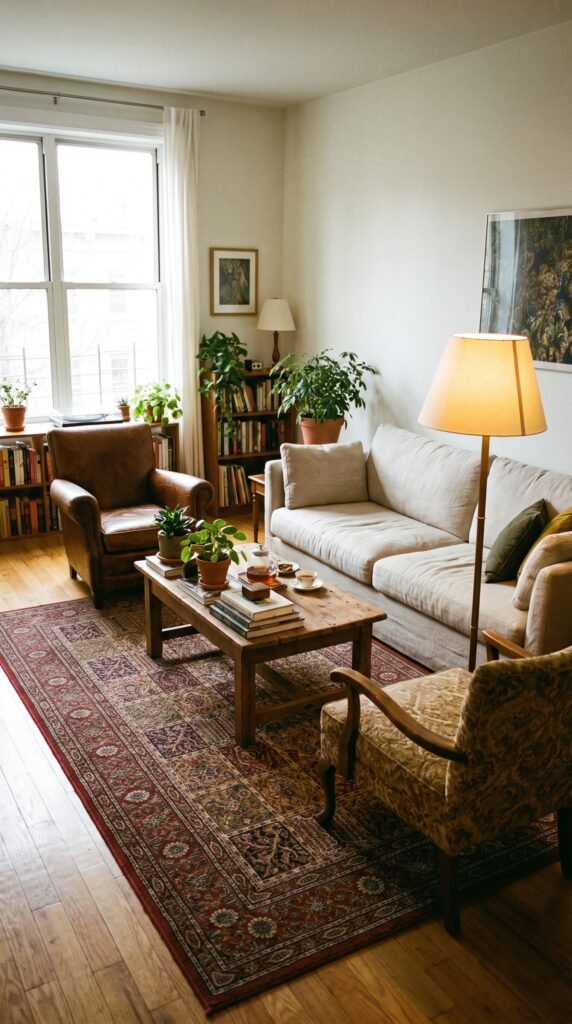
Most beginners push all the furniture against the walls. It feels logical — more floor space, right?
But here’s what actually happens: the room feels like a waiting area. All that empty space in the center creates distance between people, not comfort. The furniture feels disconnected from itself and from the people using it.
Coziness in furniture arrangement comes from grouping things closer together, not pushing them apart. Pull your sofa and chairs into a conversational cluster. Bring the coffee table close enough to actually reach from the sofa without leaning. This sounds simple. But it changes the entire feel of a room almost instantly.
Scale matters too. One large sofa and two chairs will feel more grounded than three mismatched pieces of the same height. Varying heights — a tall bookshelf, a low coffee table, a medium-height lamp — create visual rhythm that feels intentional and warm.
Think about where people actually land when they come into a room. Where do they sit first? What do they reach for? Design for those real habits, not the idealized version of your life. A cozy home works with how you actually live in it.
7 Tiny Bedroom Ideas That Maximize Space & Style
Budget-Friendly Cozy Home Ideas That Make a Real Difference
Thrift stores, yard sales, and Facebook Marketplace are where the best cozy home ideas often get found — not furniture showrooms.
The truth is, brand-new furniture often looks exactly like what it is: brand new. It lacks the warmth of things that have some history. A worn leather armchair, a vintage wooden side table, a slightly faded kilim rug. These items carry texture and story in a way that flat-pack furniture struggles to replicate.
That said, you don’t need to fully embrace the secondhand approach if it’s not your style. Even mixing a few older or vintage pieces in with newer ones creates a layered, lived-in feeling that’s much warmer than a room where everything arrived from the same store on the same day.
Some of the highest-impact, lowest-cost moves worth knowing:
Swap out your throw pillow covers instead of buying whole new pillows. Covers are a fraction of the price and you can swap them seasonally. Add a single large framed print or mirror to a blank wall. Empty walls read as unfinished, and one large piece does more for a room than three small ones. Replace cheap plastic light switch covers with brushed brass or matte black versions. It costs almost nothing and looks intentional. Roll up that thin, scratchy throw blanket that’s been on your couch since college and replace it with something you actually want to touch.
Small upgrades. Consistent choices. That’s the whole game.
How to Sustain Your Cozy Home Ideas Over Time
Coziness isn’t a one-time project. It’s a practice.
Seasons change what a space needs. Winter calls for heavier textiles, warmer lighting, and more candles. Summer might mean lighter linen throws, more plants, and open windows. The best cozy homes shift gently with the calendar rather than staying static year-round.
Editing is just as important as adding. Every few months, walk through your home with fresh eyes and ask: what isn’t earning its place? Clutter is the single biggest enemy of coziness — not because minimalism is the goal, but because too much visual noise prevents your brain from settling. According to Psychology Today, clutter measurably increases cortisol levels, which is the stress hormone. A cozy home isn’t a stressful one.
Keep a small “cozy kit” somewhere accessible. A great candle. A backup throw blanket. A playlist you love. These things don’t have to be expensive or elaborate. They just have to be ready when you need them.
Because at the end of the day, cozy home ideas are really just answers to one question: how do you want to feel in your space? Figure that out first. The rest is just logistics.