
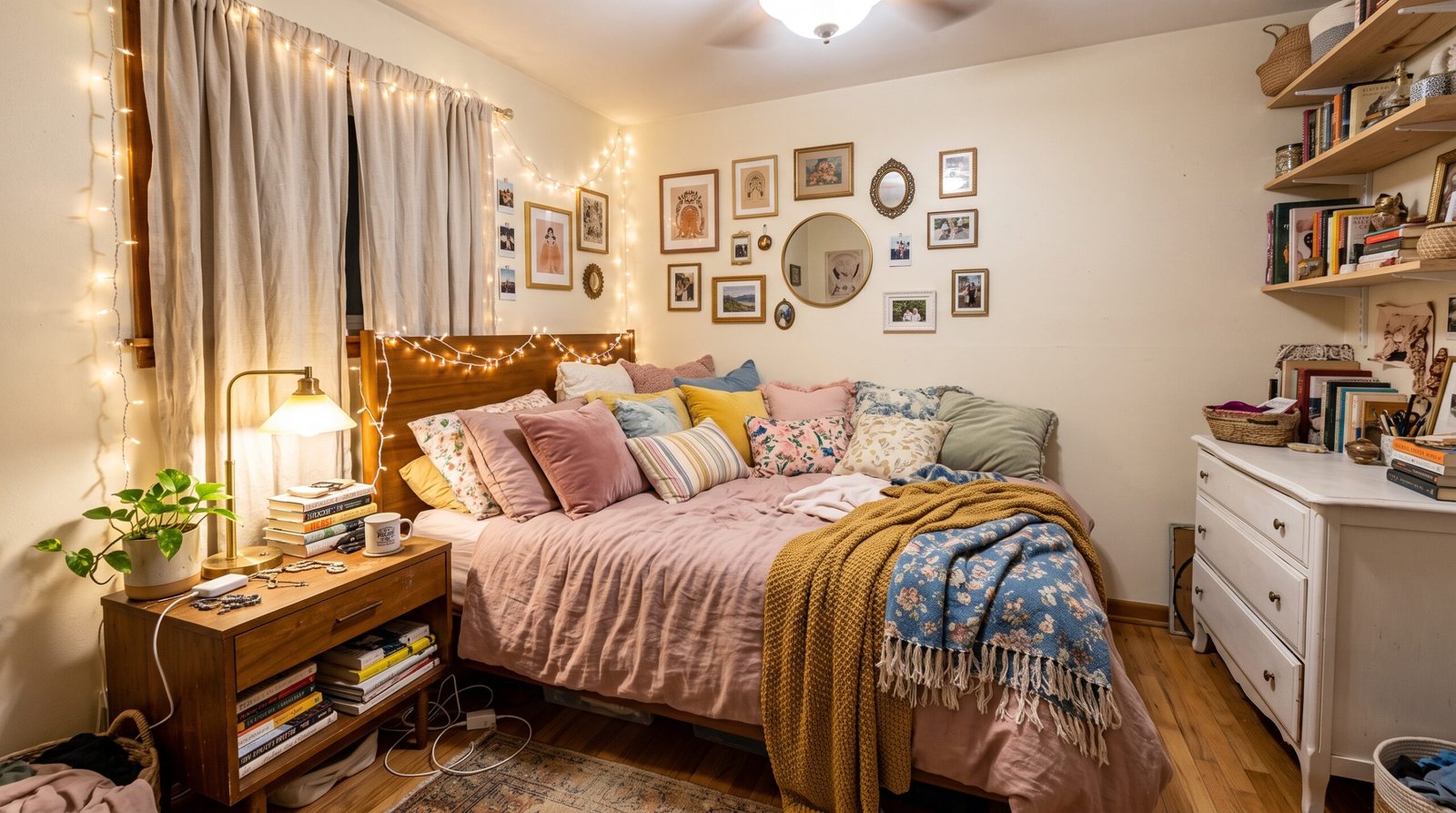
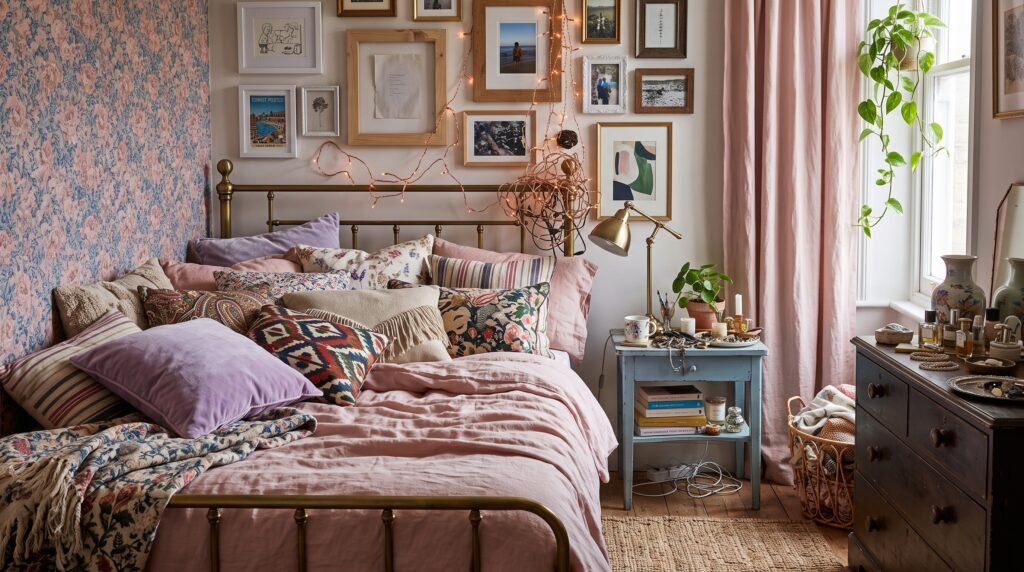
Cute bedroom decor has a sneaky way of looking effortless on Pinterest and chaotic in real life — and if you’ve ever spent a weekend rearranging throw pillows only to feel like something still isn’t working, you’re not alone.
📋 Table of Contents
- Why Cute Bedroom Decor Goes Wrong Before You Even Start
- The Lighting Mistake That Kills the Whole Vibe
- Common Cute Bedroom Decor Mistakes You’re Probably Making
- Mistake 1: Ignoring Scale Completely
- Mistake 2: Matching Everything Too Perfectly
- Mistake 3: Forgetting Negative Space
- Mistake 4: Treating the Ceiling Like It Doesn’t Exist
- How to Get the Layers Right: A Step-by-Step Approach
- The Textiles Trap: When Cozy Becomes Overwhelming
- Best Practices for Cute Bedroom Decor That Actually Lasts
- Pulling It All Together Without Starting Over
The gap between inspiration and reality is where most bedroom makeovers fall apart. Not because the products are wrong, but because a handful of avoidable mistakes compound on each other until the whole room feels off. This guide walks you through exactly where things go sideways, how to fix them, and what actually works when you want a bedroom that feels as good as it looks.
Why Cute Bedroom Decor Goes Wrong Before You Even Start
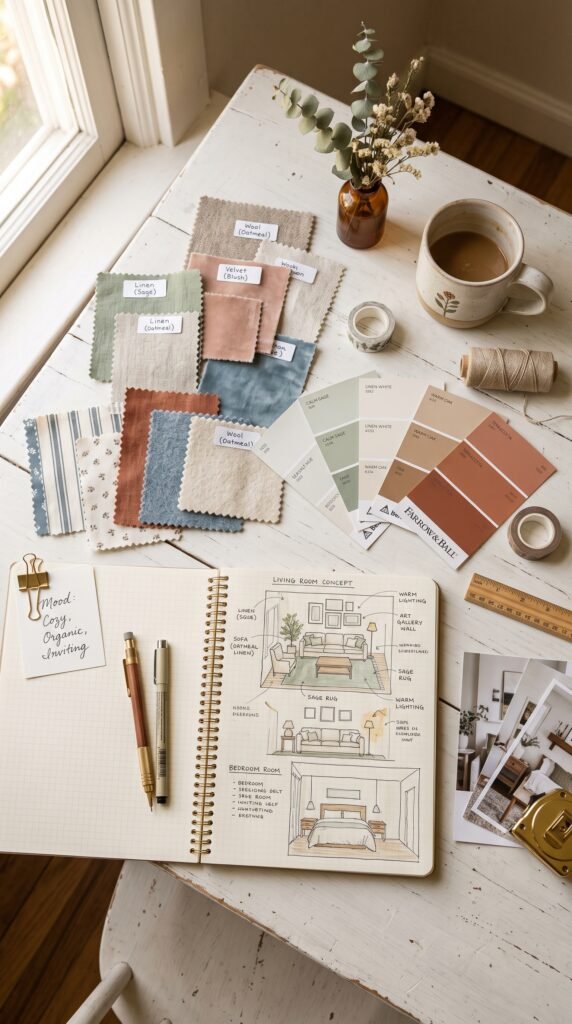
Picture this: you’ve saved 47 images to a board labeled “Dream Bedroom.” Every single one looks cohesive, soft, beautiful. Then you order the duvet from one image, the nightstand from another, the wall art from a third — and when it all arrives, nothing talks to each other.
This is the single most common starting mistake. Shopping from your mood board piece by piece, without a unifying filter, is how you end up with a room that looks like it was decorated by three different people who didn’t communicate.
The fix is simpler than it sounds. Before you buy anything, pull your saved images and identify the two or three elements they all share — maybe it’s warm neutrals, a mix of textures, low-profile furniture. That’s your filter. Every purchase gets held up against those criteria. If it doesn’t pass, it doesn’t come home.
And honestly, this step takes about 20 minutes and saves you from returning half your order.
7 Essential Cozy Bedroom Design Tips Every Beginner Needs to Know
The Lighting Mistake That Kills the Whole Vibe
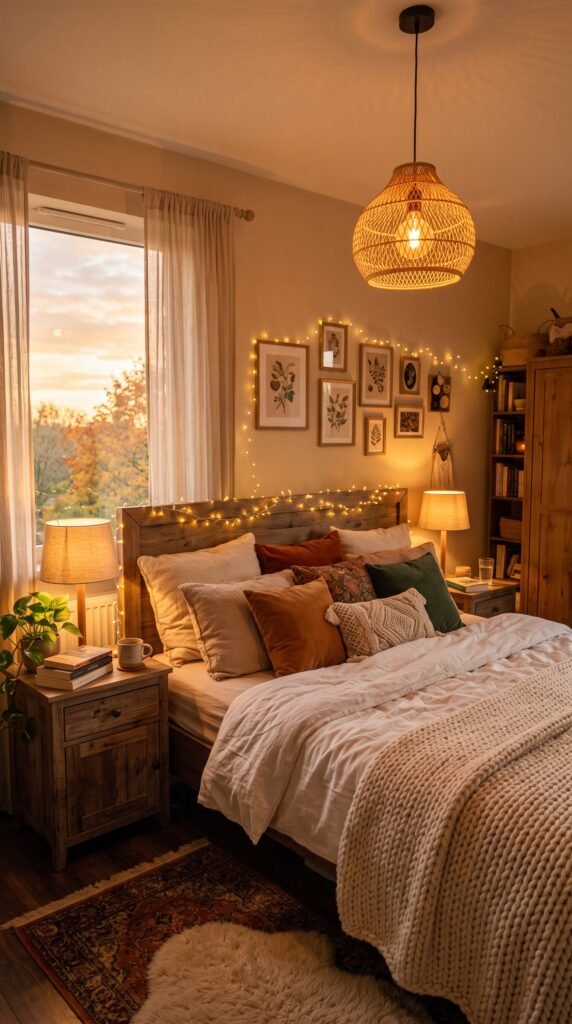
Here’s the thing — lighting is not a finishing touch. It’s the entire atmosphere of the room. And yet most people treat it like an afterthought, slapping in a single overhead fixture and calling it done.
Overhead lighting in a bedroom is almost always a mistake on its own. It’s flat. It’s harsh. It makes even the most carefully curated cute bedroom decor look like a hotel room that hasn’t been renovated since 2003.
What you actually need is layers. Think about it in three categories: ambient (the general glow), task (reading, getting ready), and accent (the stuff that adds personality, like LED strips or fairy lights). Most bedrooms need at least two of those three working together before the space starts to feel intentional.
Most people run into this exact problem when they’ve done everything else right but the room still feels sterile. Nine times out of ten, it’s the lighting. Swap the overhead for a dimmer switch, add two warm-toned bedside lamps, and watch the whole room shift.
A 2700K to 3000K color temperature is your target range for bedroom lighting. That’s the warm, golden tone that reads as cozy without crossing into yellow. Architectural Digest has a solid breakdown of layered lighting principles worth bookmarking before you shop.
Common Cute Bedroom Decor Mistakes You’re Probably Making
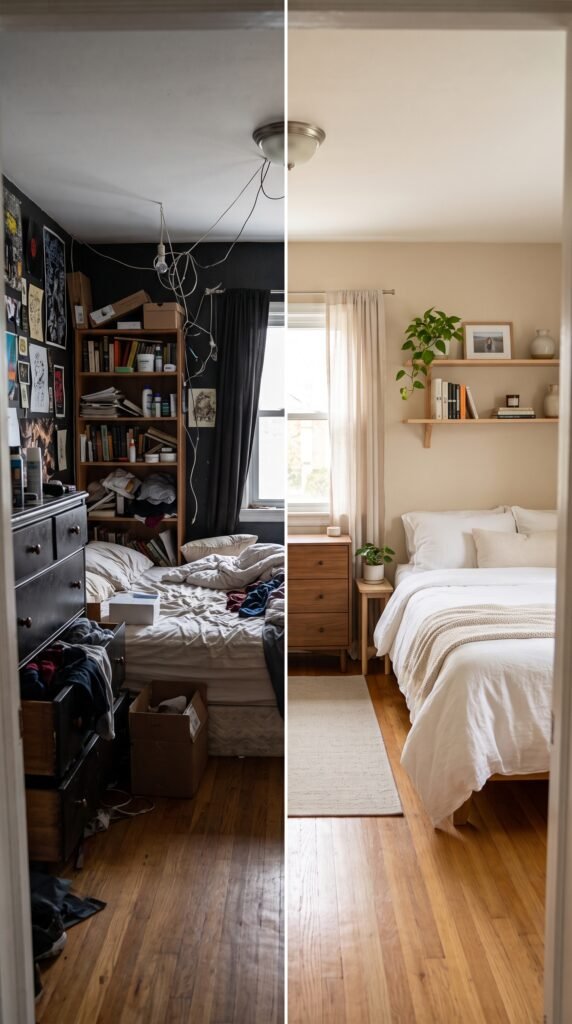
This is where it gets specific. These aren’t abstract concepts — these are the exact blunders that show up in real bedrooms all the time.
Mistake 1: Ignoring Scale Completely
Tiny art on a big wall. A massive headboard in a small room. A rug that barely peeks out from under the bed frame. Scale issues are everywhere, and they’re responsible for that vague “something’s off” feeling you can’t shake.
The rule of thumb for bedroom rugs: it should extend at least 18 to 24 inches beyond the sides of the bed. If your feet hit cold floor first thing in the morning, the rug is too small. For wall art, think in clusters or go larger than feels comfortable — a single 8×10 frame on a large wall always reads as timid.
Mistake 2: Matching Everything Too Perfectly
And this one surprises people. Matching bedroom sets — where the headboard, dresser, nightstands, and mirror all come from the same collection — tend to read as flat and lifeless. It’s the furniture equivalent of wearing head-to-toe one brand.
Mix your wood tones. Pair a light oak nightstand with a darker dresser. Layer metals — brushed brass with matte black, for example. The contrast is what creates depth. Cute bedroom decor that feels curated almost always has a mix of textures and finishes working together rather than a uniform set.
Mistake 3: Forgetting Negative Space
More stuff is not more style. Full stop.
Shelves loaded with objects, every surface covered, walls plastered with prints — it creates visual noise that makes even a beautiful room feel stressful. Your brain needs somewhere to rest. Leave some shelves partially empty. Let a nightstand breathe with just a lamp and one small object. The space between things is part of the design.
7 Best Japandi Bedroom Transforms You Can Do This Weekend
Mistake 4: Treating the Ceiling Like It Doesn’t Exist
The fifth wall. Totally underused. A statement light fixture, a soft color wash, even just a well-placed plant that draws the eye upward — these are small moves that make a room feel finished in a way most people can’t quite name. If your cute bedroom decor stops at eye level, you’re leaving a lot of potential untouched.
How to Get the Layers Right: A Step-by-Step Approach
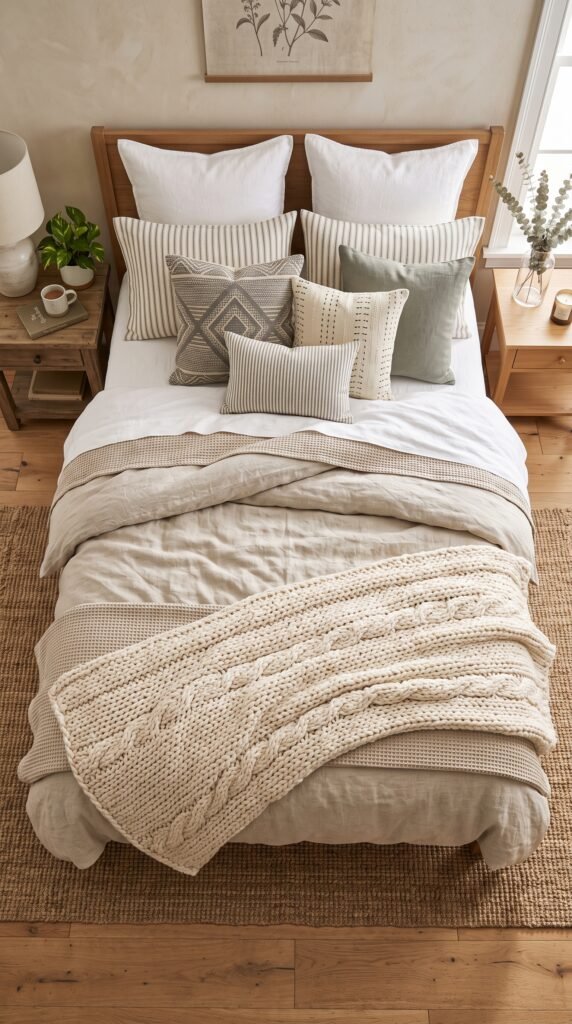
Getting cute bedroom decor to work is less about individual pieces and more about how they stack up together. Here’s a sequence that actually works.
Start with the anchor pieces first. The bed, the major furniture, the rug. These define scale and set the palette. Everything else responds to them.
Layer in texture before color. Linen, velvet, cotton, wood, rattan — texture is what makes a room feel rich even in a neutral palette. Add at least three different textures before you start worrying too much about color coordination.
Bring in pattern last and in small doses. One patterned pillow, a printed throw, a textured piece of wall art. Pattern is seasoning, not the main ingredient.
Edit before you add. Before you buy anything new, look at what you already have and remove at least two things that aren’t pulling their weight. Addition without subtraction is how clutter happens.
The Good Housekeeping guide on bedroom decorating covers some of the foundational principles well, particularly around furniture arrangement and proportion.
The Textiles Trap: When Cozy Becomes Overwhelming
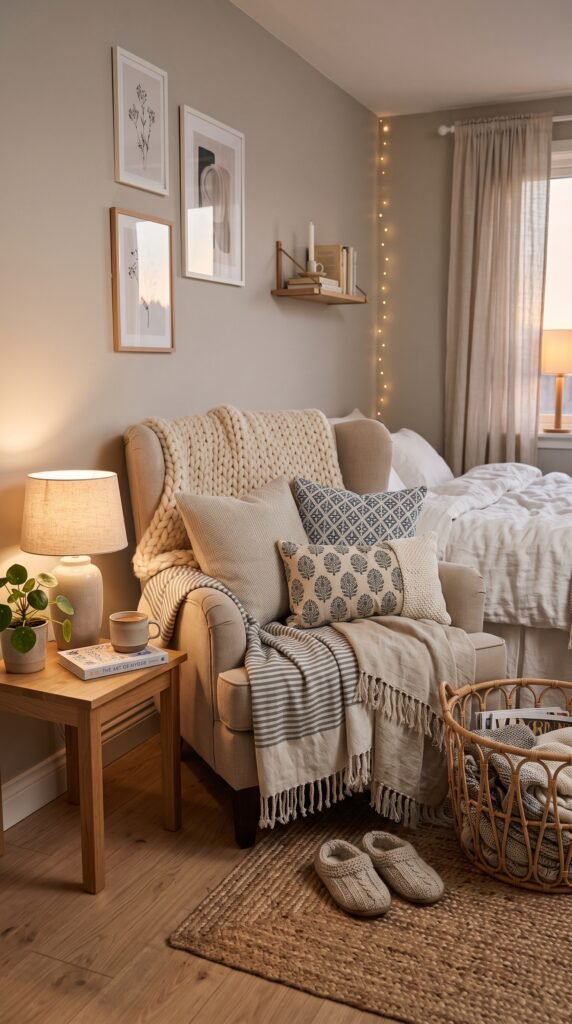
Textiles are where cute bedroom decor lives and breathes. The right bedding, throw, and curtains can pull a whole room together. The wrong combination turns the bed into a sensory overload.
Fair warning: the throw pillow spiral is real. You buy two, then three, then suddenly there are nine pillows on the bed and nowhere to put them at night. A simple rule — odd numbers feel more natural, and five is usually the ceiling before it tips into excess.
Curtains are chronically underestimated. Hanging them too low (right above the window frame) cuts the room off visually and makes ceilings feel lower than they are. Hang them as close to the ceiling as possible and let them pool slightly on the floor. That single adjustment makes windows look larger and rooms feel taller. It costs nothing.
For bedding, stick to a maximum of three colors pulled from your room’s palette. The bed is the visual anchor of the space — if it reads as chaotic, the rest of the room can’t recover.
15 Proven Ways to Decorate a Bedroom on Any Budget
Best Practices for Cute Bedroom Decor That Actually Lasts
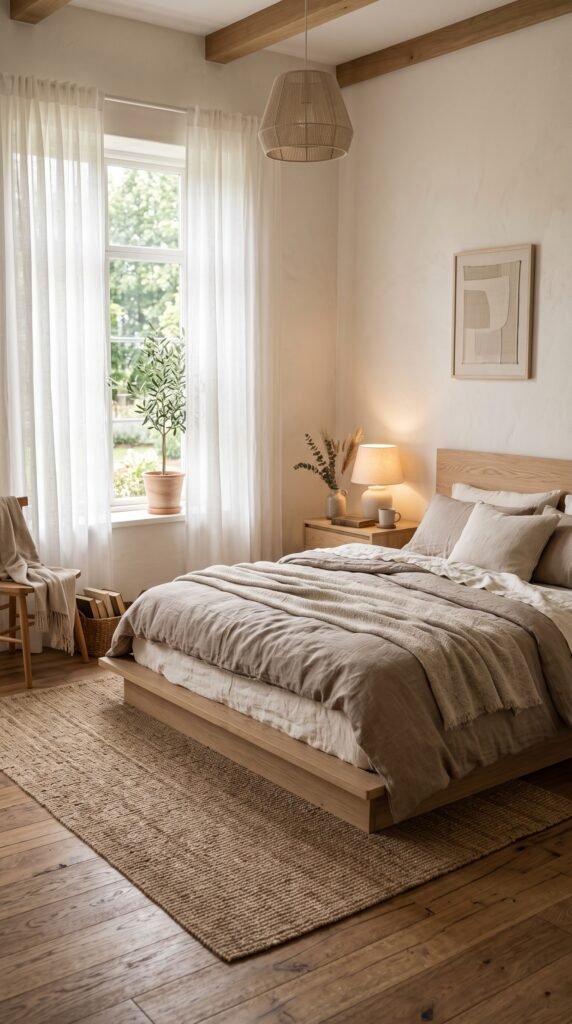
The difference between a bedroom that looks great in photos and one that still feels good six months later comes down to intentionality over trend-chasing.
Trends move fast. Especially in cute bedroom decor spaces online, where a new aesthetic seems to take over every few months — cottagecore, dark academia, coastal grandmother, quiet luxury. Chasing each one is exhausting and expensive. Instead, build a neutral, texture-rich base and let small, swappable accents carry whatever seasonal or trend energy you want.
Think of it this way: your bedframe, your rug, your curtains, your dresser — these are your long-term investments. Buy them in tones and silhouettes that will still work in five years. Then use throw pillows, small art prints, plants, and candles to update the feeling seasonally without a full overhaul.
Plants deserve a specific mention. A single well-placed plant does more for a bedroom’s visual energy than almost any other single object at its price point. It adds color, life, scale, and organic texture simultaneously. The Sill has solid guidance on low-light bedroom plant options if you’re working with limited natural light.
The goal is a room that feels like you — not like a showroom, not like a screenshot. When cute bedroom decor works at its best, it’s specific. It has a little personality. It shows evidence of a real person living there.
Which is exactly the thing no algorithm can curate for you.
Pulling It All Together Without Starting Over
So you’ve identified the mistakes. You see where the lighting is flat, where the scale is off, where the textiles have gotten away from you. The good news: most of this is fixable without gutting the room.
Start with what costs nothing. Rehang those curtains higher. Move the rug. Edit the shelf. Rearrange the throw pillows. These are the adjustments that take an afternoon and make the biggest difference, because they work with what you have instead of requiring new purchases.
Then address lighting. A pair of warm-toned lamps is one of the highest-return purchases in bedroom decorating. It transforms the room from a functional space into one that actually feels good to be in.
After that, evaluate what’s working and what isn’t. One or two deliberate additions — a textured throw, a piece of art that’s larger than you’d normally pick, a plant — will do more than a cart full of small impulse items.
Cute bedroom decor that works isn’t complicated. It’s just thoughtful. And the difference between a room that feels like a beautiful mess and one that genuinely restores you at the end of a long day is usually a handful of very fixable mistakes.
Fix those first. The rest follows naturally.