Affiliate Disclosure: This post contains affiliate links. If you purchase through my links, I may earn a small commission at no extra cost to you. I only recommend products I’d genuinely use in my own home.
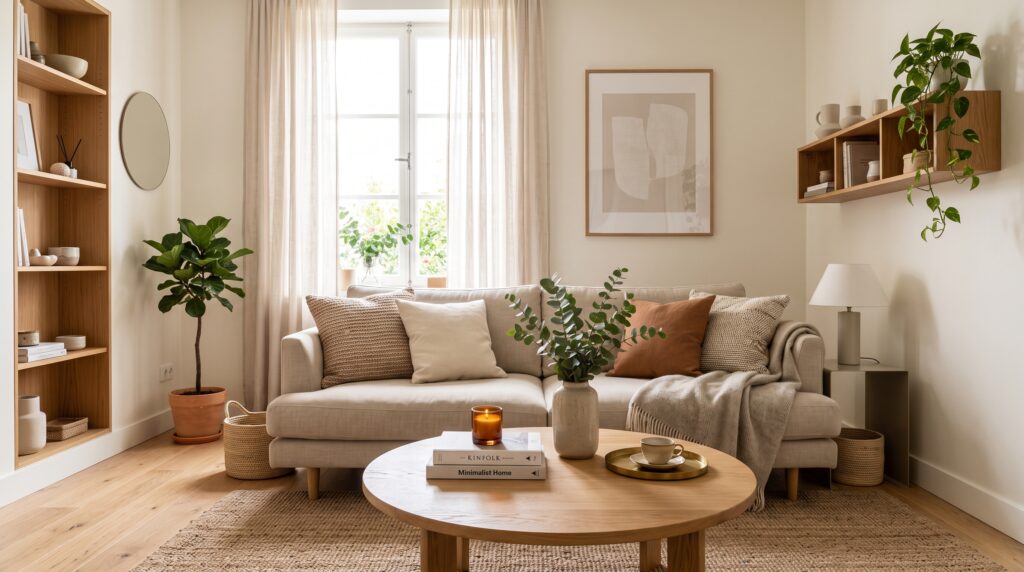
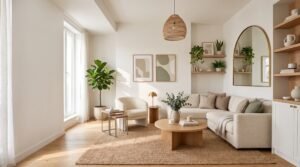
When I first moved into my 400-square-foot apartment, I stared at the living room and almost cried. There was barely enough space for a sofa, let alone anything that felt intentional or stylish. But after months of trial and error — and a few furniture mistakes I’d rather forget — I figured out that modern living room decor isn’t about having more space. It’s about making smarter choices with the space you already have.
The good news is that the core principles of modern design — clean lines, purposeful furniture, and a restrained color palette — actually work in favor of small spaces. Here’s everything I’ve learned, broken down into practical steps you can start using today.
Start With the Right Color Foundation
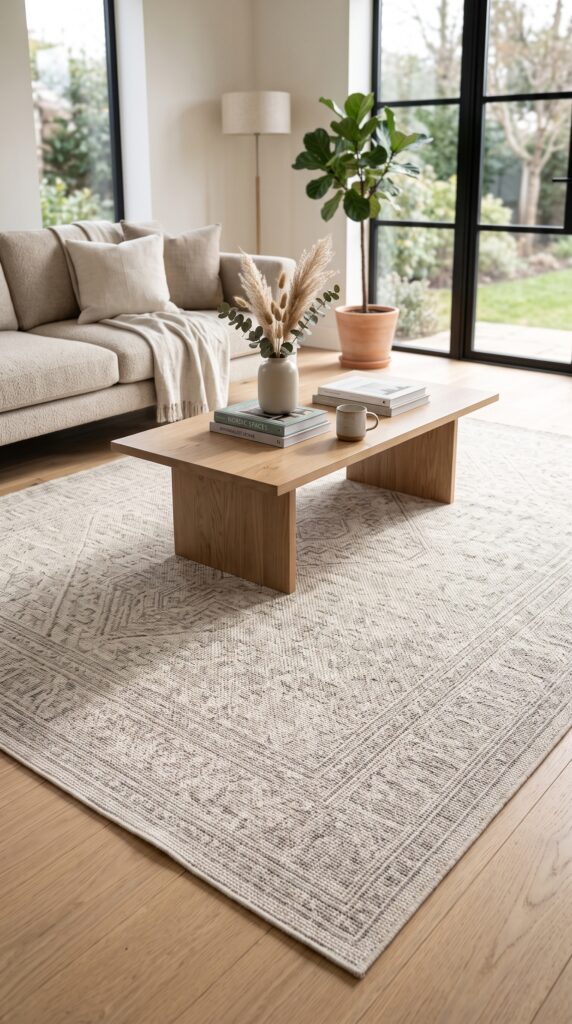
Color is the single biggest lever you have in a small living room, and it costs almost nothing to get right. Light, neutral tones — soft white, warm cream, pale gray, and greige — reflect natural light back into the room instead of absorbing it. That reflection is what creates the feeling of openness, even when the square footage doesn’t change.
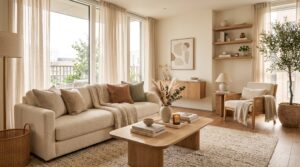
I painted my living room walls a warm off-white, and the room immediately felt like it grew by at least a third. The trick is to keep your walls, large furniture pieces, and curtains in the same tonal family. When too many surfaces compete with different colors, the eye gets busy and the room feels cramped.
To avoid the space feeling sterile or bland, layer in texture. Chunky knit throws, linen cushion covers, and a well-chosen area rug add warmth and dimension without introducing visual clutter. A soft, patterned rug can anchor the whole seating area beautifully — I use the Homemate Washable Rug under my coffee table because it’s easy to clean after spills and holds its shape even with regular foot traffic. The washable factor alone makes it worth it for anyone in a smaller space where the rug is front and center.
My Top Picks
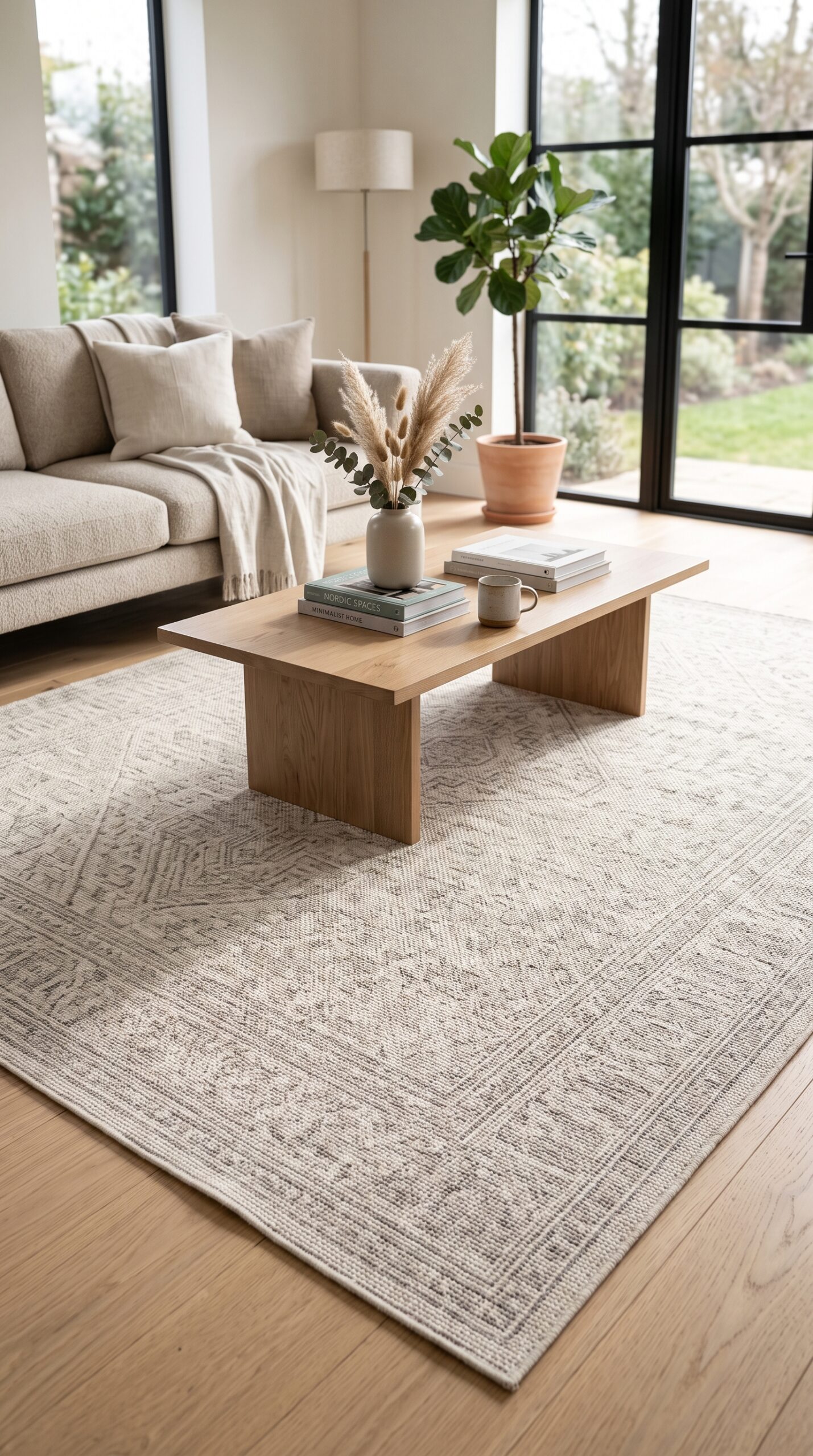
Homemate Washable Rug
Anchor your space in style. The Homemate Washable Rug adds warmth and texture underfoot without being a pain to clean.
Shop on Amazon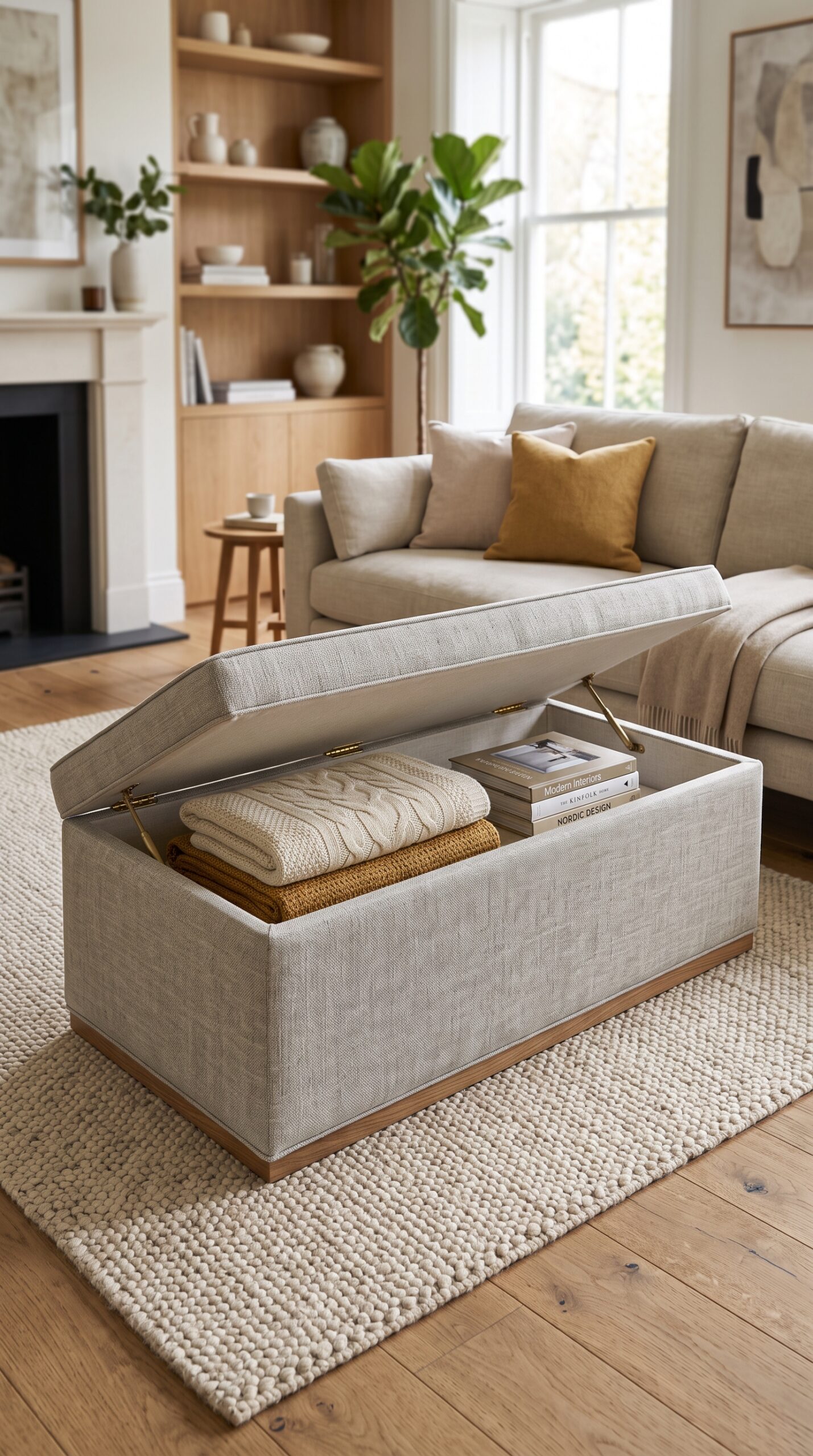
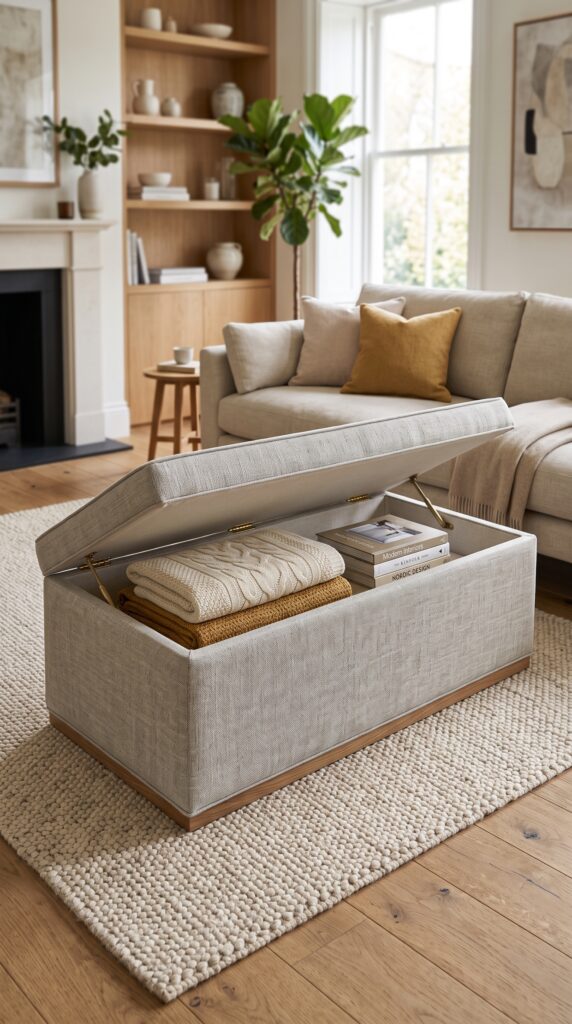
Amazon Basics Upholstered Storage Ottoman
Tidy up without the eyesore. The Amazon Basics Upholstered Storage Ottoman keeps clutter hidden while looking like a deliberate design choice.
Shop on Amazon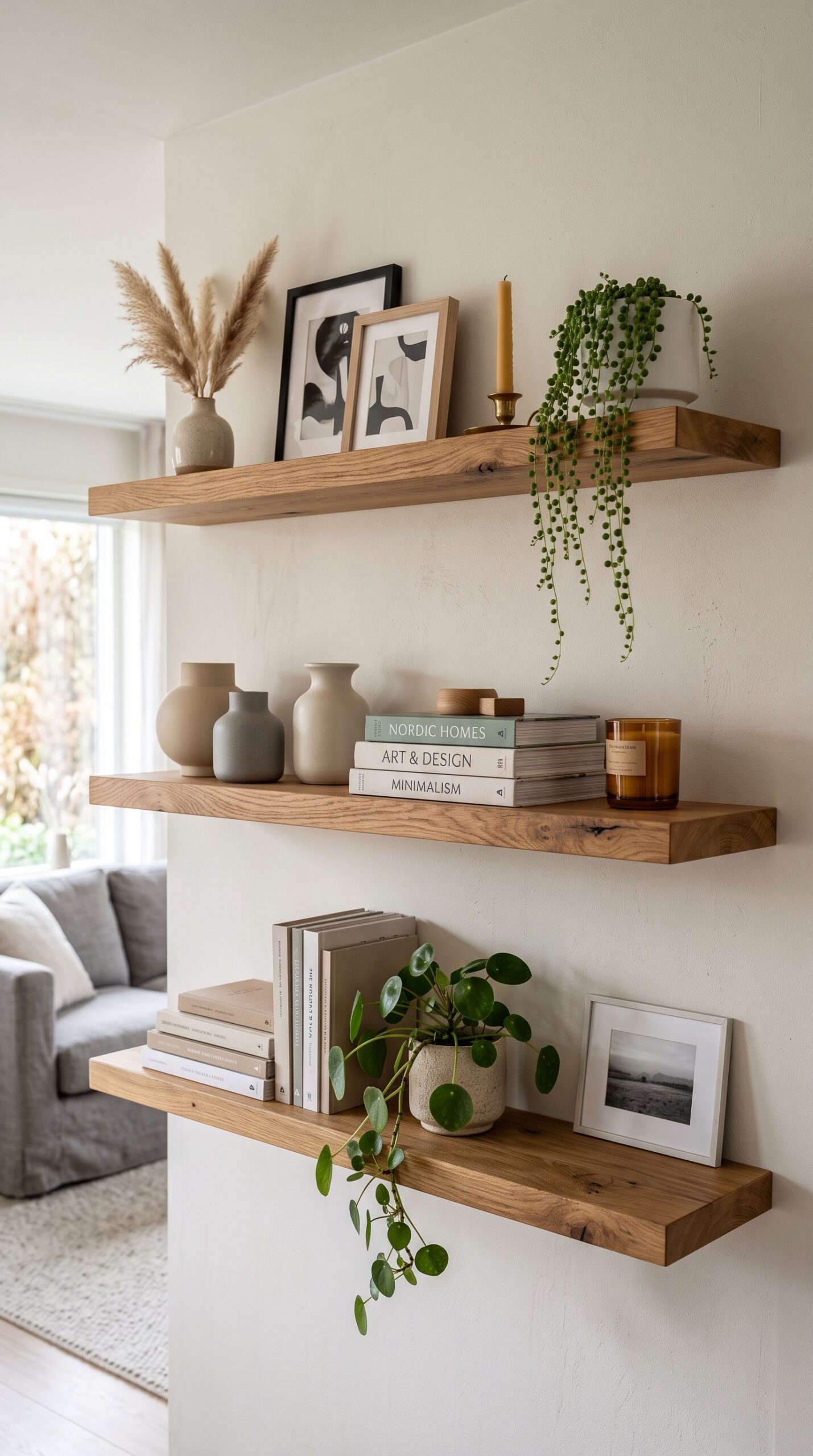
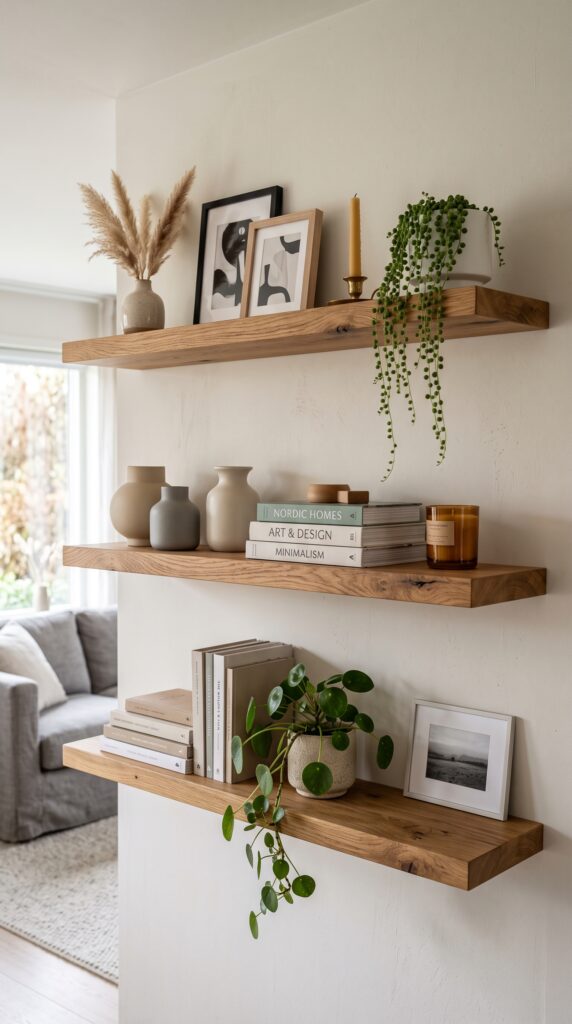
Floating Shelves for Wall Decor
A standout pick. The Floating Shelves for delivers quality and reliability you'll notice from day one.
Shop on Amazon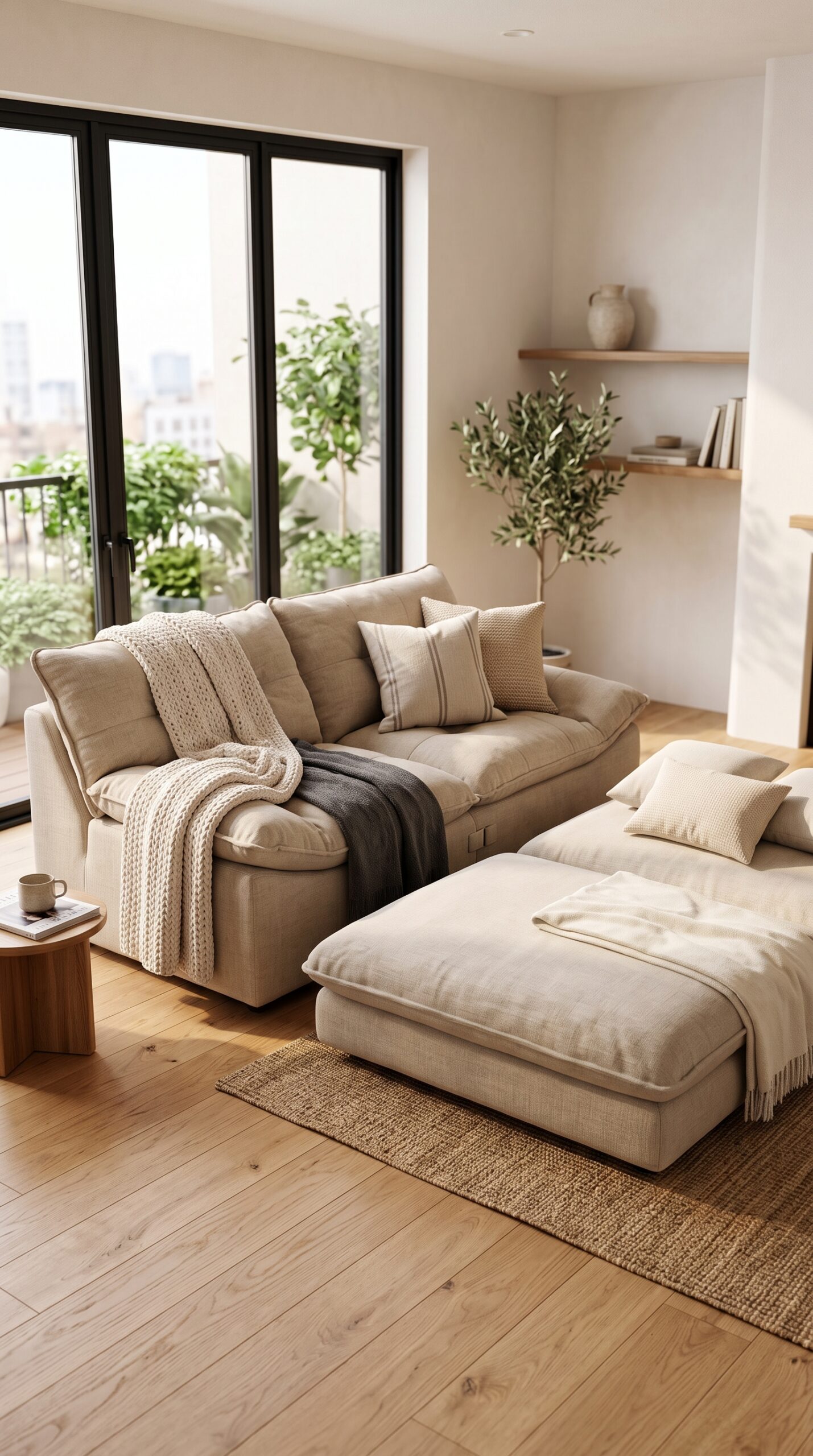
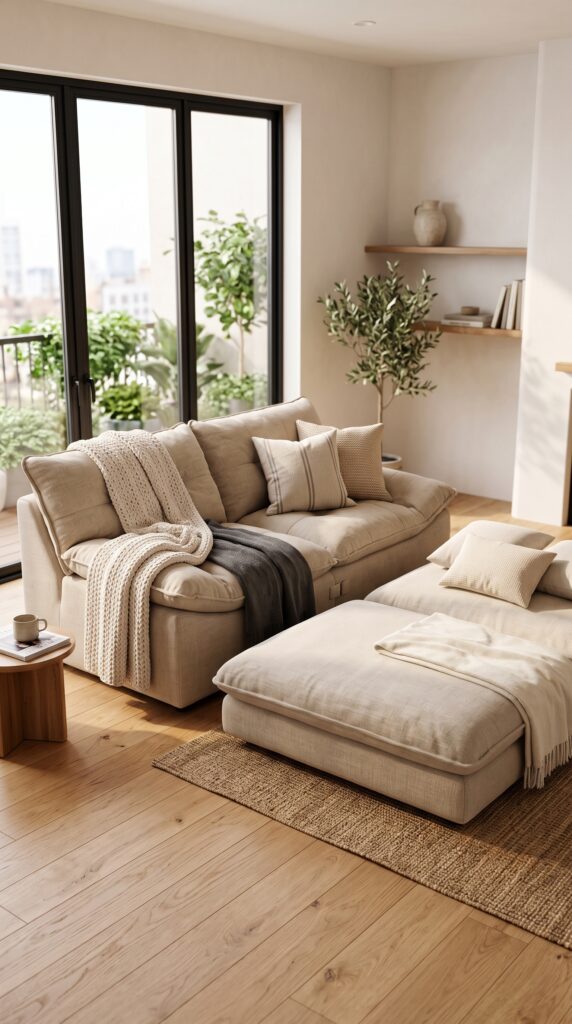
Loveseat Boneless Convertible Sofa Bed
Comfort you'll actually feel. The Loveseat Boneless Convertible Sofa Bed combines ergonomic support with a design that fits any room.
Shop on Amazon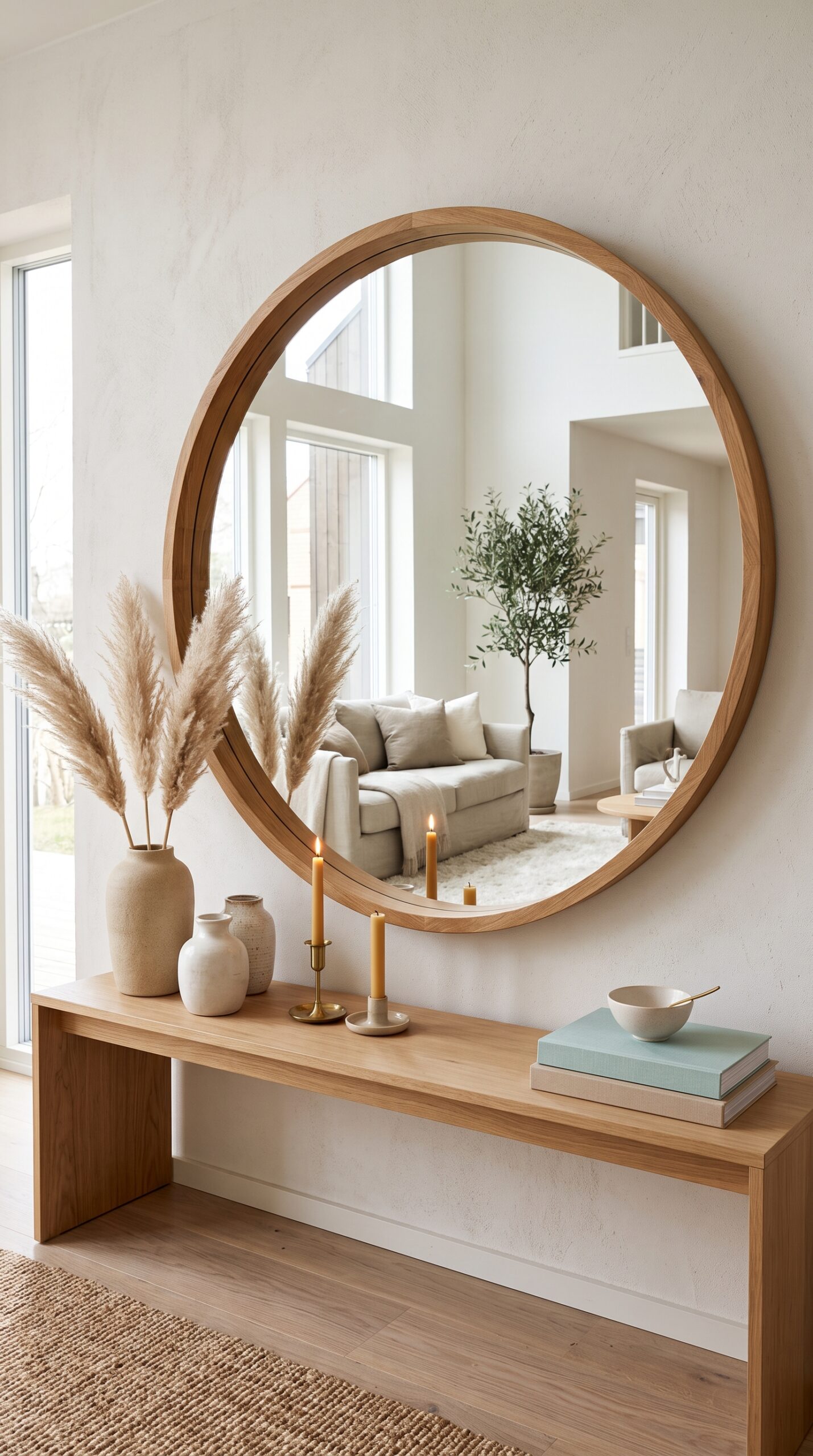
WallBeyond Wood Round Mirror with Wood Frame
A standout pick. The WallBeyond Wood Round delivers quality and reliability you'll notice from day one.
Shop on Amazon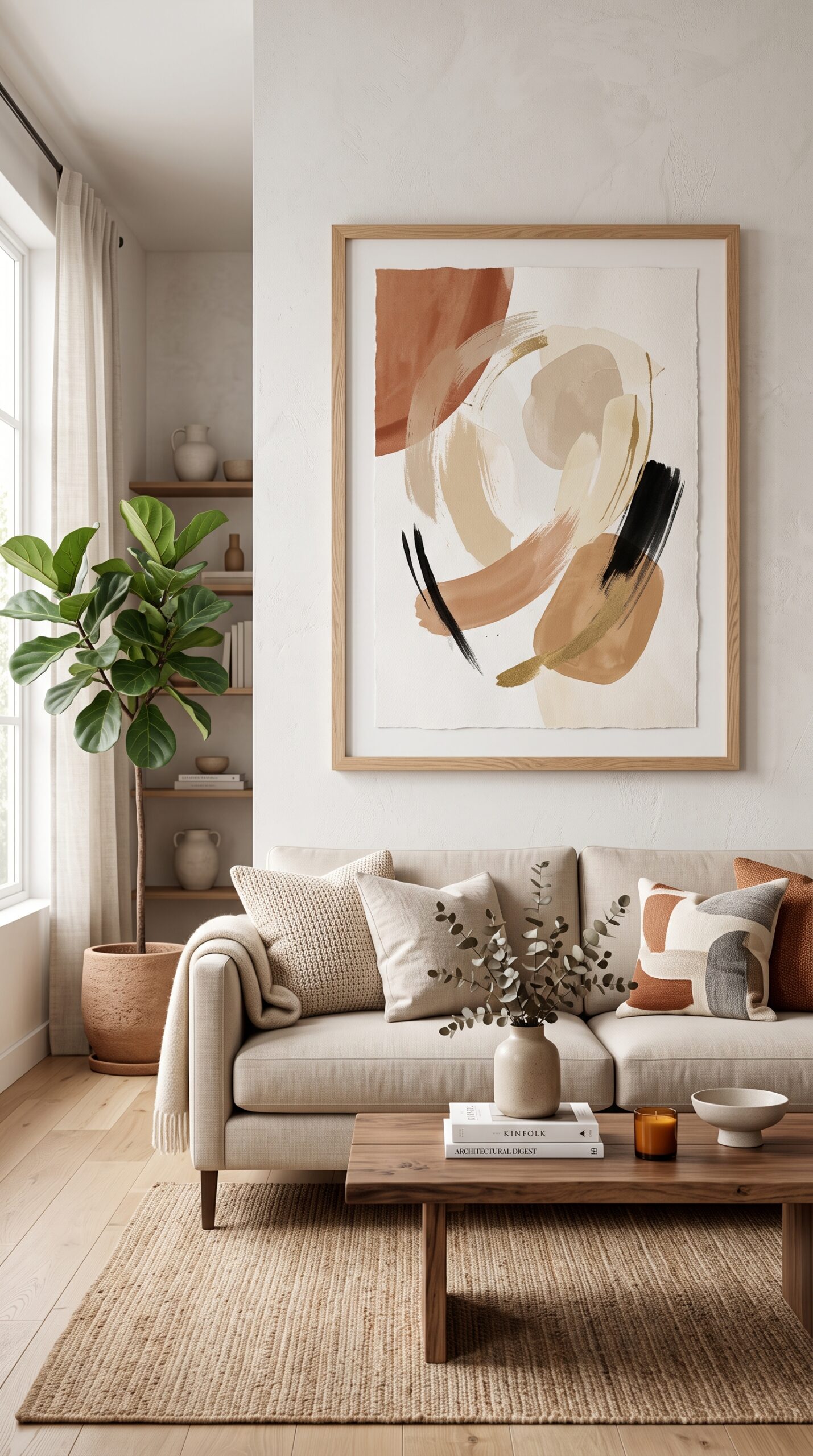
Print Wall Art for Living Room
A standout pick. The Print Wall Art delivers quality and reliability you'll notice from day one.
Shop on Amazon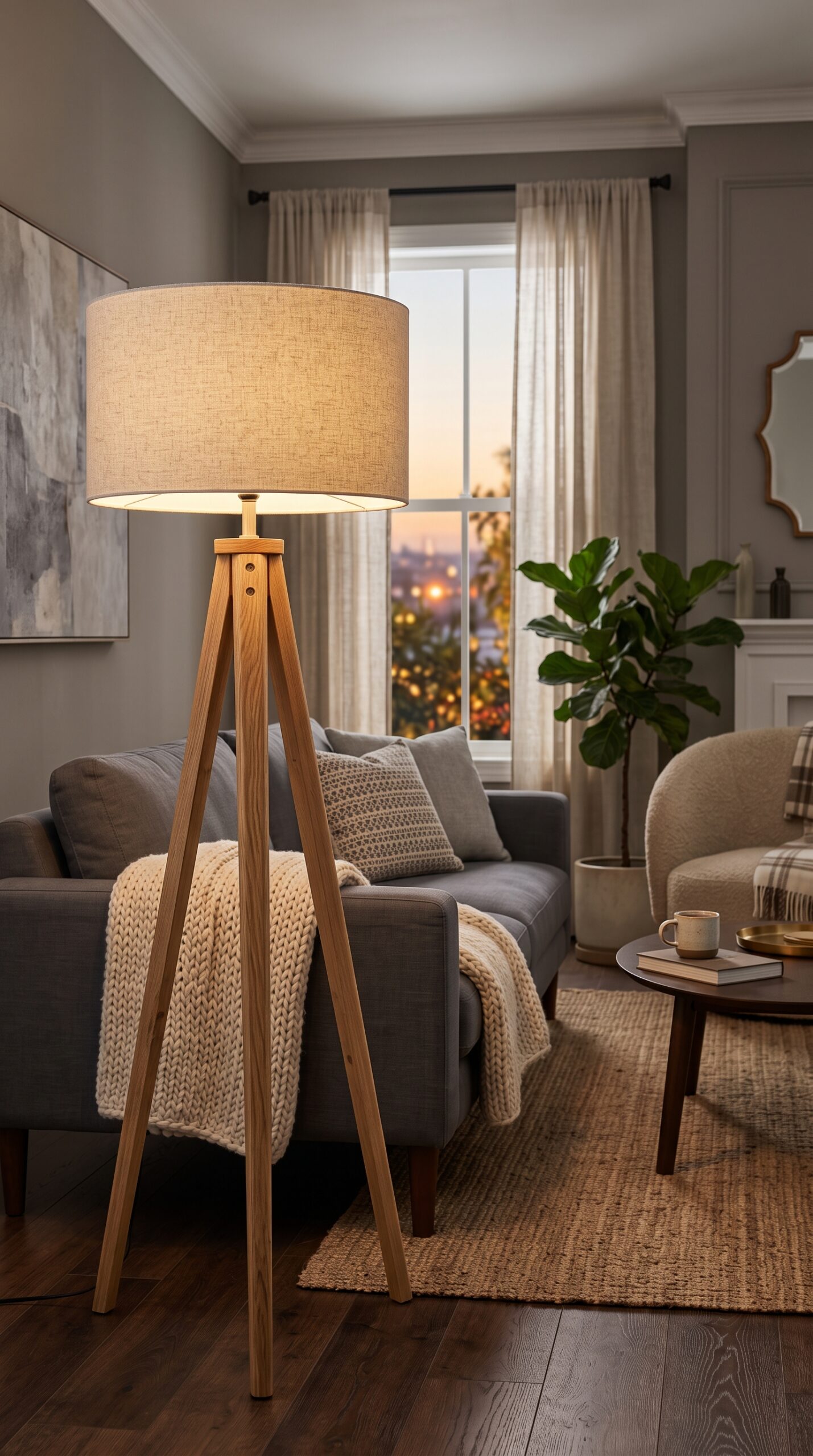
LiteHistory Wood Tripod Floor Lamp for Living Room
Set the right mood instantly. The LiteHistory Wood Tripod Floor Lamp for Living Room delivers warm, adjustable lighting that transforms any corner of your home.
Shop on AmazonChoose Furniture That Does Double Duty
In a small living room, every single piece of furniture has to earn its spot. The moment I stopped buying furniture just because it looked good and started asking “what else does this do?” — my space transformed. Multi-functional furniture is the backbone of any smart small-space layout.
Storage ottomans are a perfect example. They work as a coffee table, extra seating when guests come over, and hidden storage for blankets, remotes, or books that would otherwise pile up on your sofa. The Amazon Basics Upholstered Storage Ottoman is one I’ve recommended to friends because it’s clean-lined enough to fit a modern aesthetic and roomy enough inside to actually be useful. It doesn’t look like a “budget” piece, which matters in a small room where everything is visible.
Beyond ottomans, think about nesting tables instead of a bulky coffee table, and consider a sofa that converts for overnight guests. A sleek convertible sofa can change a living room from a single-purpose space into a functional guest room without any permanent sacrifice. The Loveseat Boneless Convertible Sofa Bed is designed specifically for smaller apartments — it folds flat when you need it and sits tidily as a compact loveseat the rest of the time. The low-profile design keeps the room from feeling overwhelmed.
Use Your Walls as Active Real Estate
Floor space is precious, but wall space is often completely wasted in small living rooms. The moment you start treating your walls as functional real estate, you free up the floor and make the room look deliberately designed rather than cluttered.
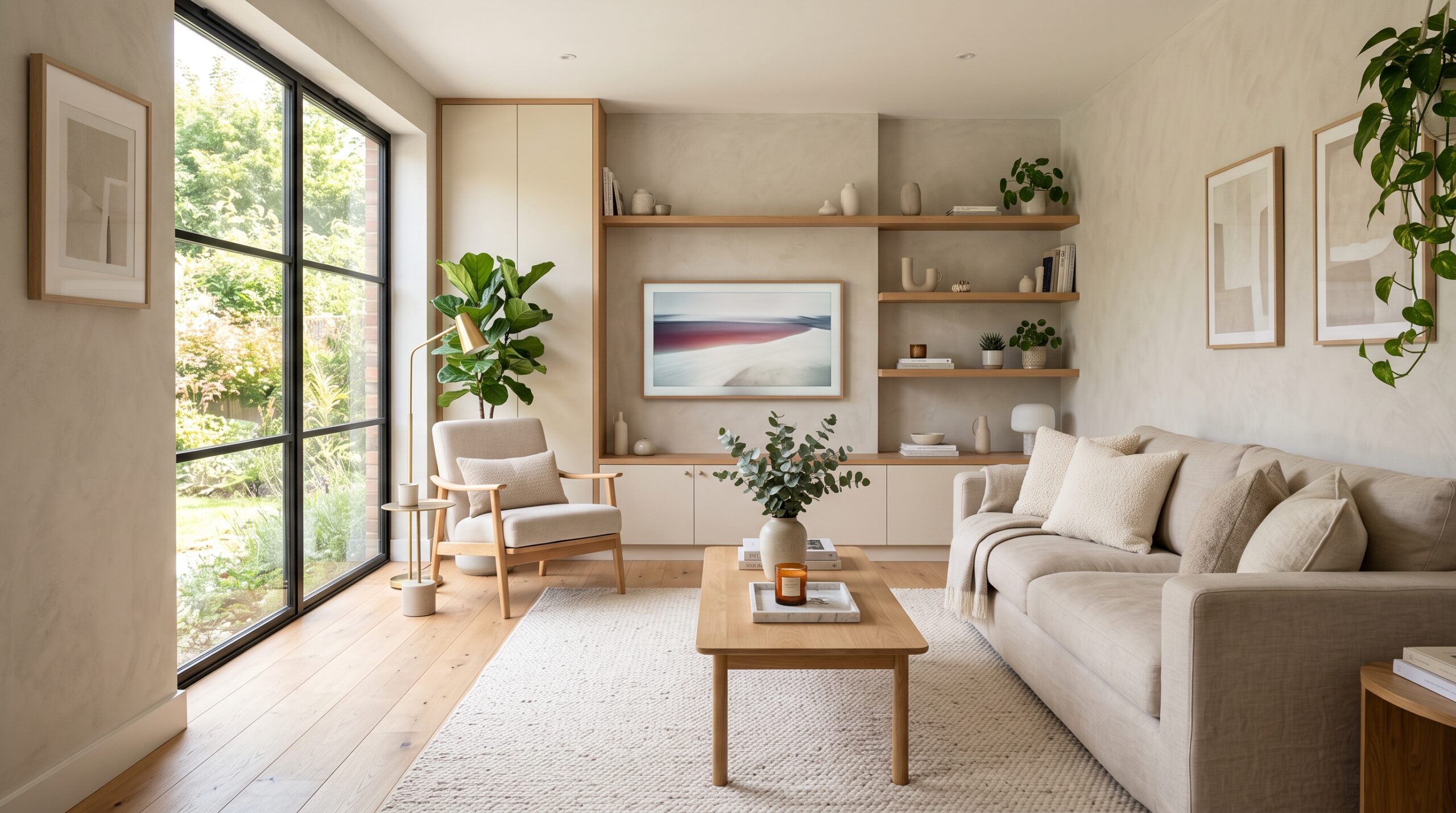
Floating shelves are my favorite solution here. They provide storage, display space, and a sense of vertical height all at once. The key is to style them with intention — a mix of small plants, a few books stacked horizontally, a candle, and one or two small objects keeps the display feeling curated rather than messy. I mount Floating Shelves for Wall Decor in my own space because the clean bracket design disappears against the wall. They look custom-built rather than like an afterthought.
When styling shelves, follow the rule of odd numbers. Groups of three objects at varying heights always look more natural than even-numbered groupings. Negative space on the shelf is just as important as what you put on it — resist the urge to fill every inch.
how to style floating shelves in a minimalist home
Pick a Sofa That Respects the Room
The sofa is usually the largest piece in a living room, which means it’s also the biggest risk. A sofa that’s even six inches too deep or too wide can block flow, overwhelm the room visually, and make the whole space feel heavy. I’ve seen beautifully decorated small rooms completely undone by the wrong sofa choice.
Look for sofas with raised legs — when you can see the floor beneath the furniture, the eye reads the room as larger. Low-profile sofas without thick, pillowy arms keep clean lines that feel modern and airy. Light upholstery in linen or a pale fabric also keeps the visual weight down. If you’re buying a sofa specifically for a small apartment, measure your space obsessively before purchasing, and look for pieces marketed toward apartment or small-space living, since those dimensions are designed with tighter floor plans in mind.
Add Mirrors Strategically
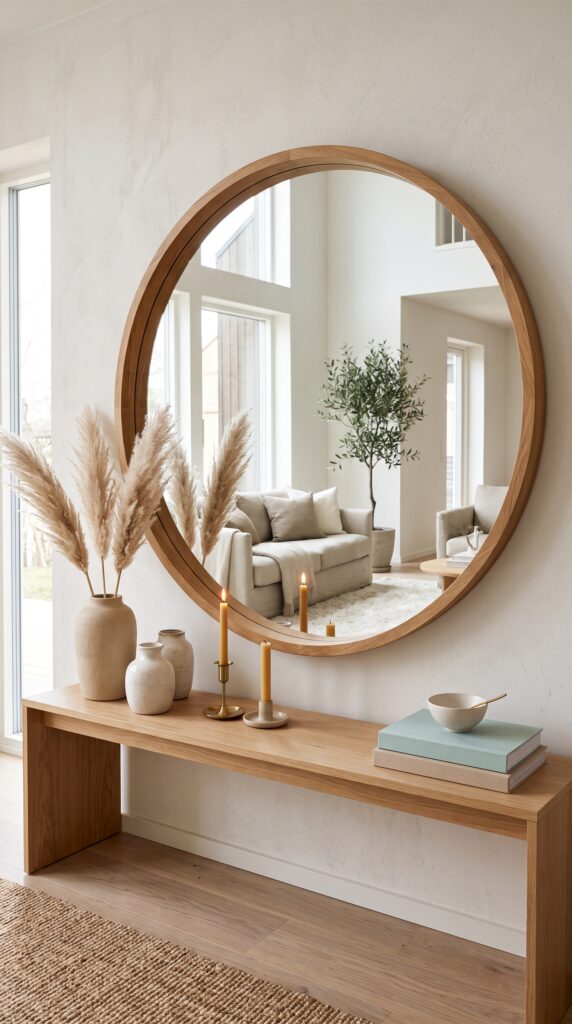
Mirrors are one of those design tricks that sound cliché until you actually try them — and then you understand why every interior designer recommends them. Placing a mirror on the wall opposite or adjacent to a window essentially doubles the natural light in the room. The reflection creates the impression of depth, which makes the room feel larger than it is.
What I’ve learned is that the frame matters as much as the placement. Heavy ornate frames can look out of place in a modern setting. I prefer a natural wood or thin metal frame that complements the room without demanding attention. The WallBeyond Wood Round Mirror with Wood Frame hits that balance — the warm wood tone works with both neutral and earthy palettes, and the round shape softens the straight lines of modern furniture. Round mirrors also add a design moment without the formality of a rectangular piece.
Create a Focal Point Instead of Visual Chaos
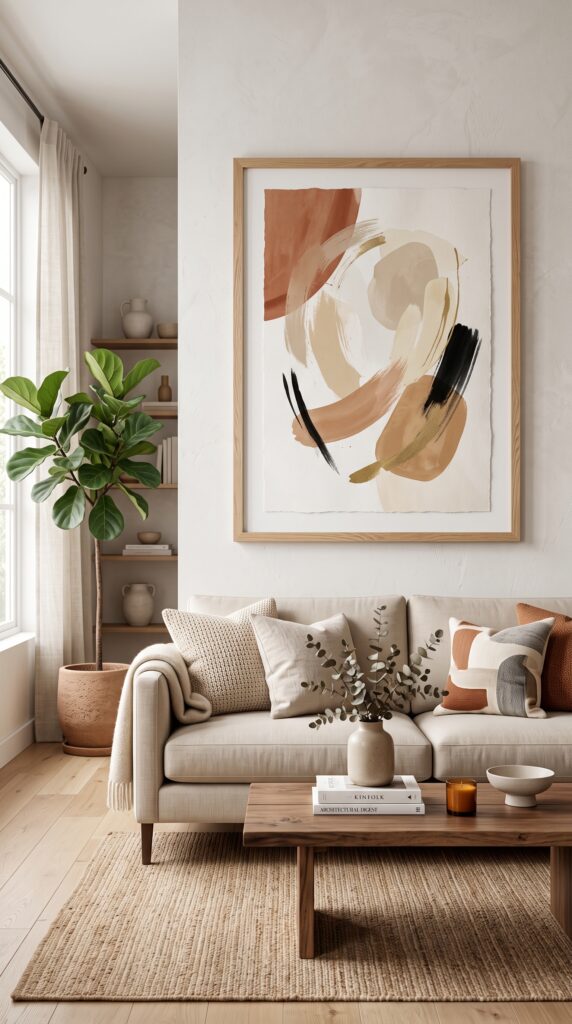
One mistake I see constantly in small living rooms is attempting to decorate every surface equally. When everything is equally decorated, nothing stands out, and the room reads as busy. Instead, choose one wall to be your focal point and keep the others intentionally simple.
A gallery wall, a single oversized piece of art, or a textured panel creates that anchor point that draws the eye and gives the room a sense of intention. Framed prints work especially well because you can create a cohesive look without committing to permanent changes like wallpaper or paint. The Print Wall Art for Living Room is a piece I’ve come back to recommend because the scale and subject matter work in both neutral and warmer color schemes. Art that references nature — botanicals, landscapes, organic shapes — tends to feel timeless in modern spaces.
According to Architectural Digest’s small space design guide, the golden rule is to establish one clear focal point per room and build the rest of the space around it. That kind of editorial thinking is what separates a professionally styled room from one that just feels like a collection of furniture.
Layer Your Lighting for Atmosphere
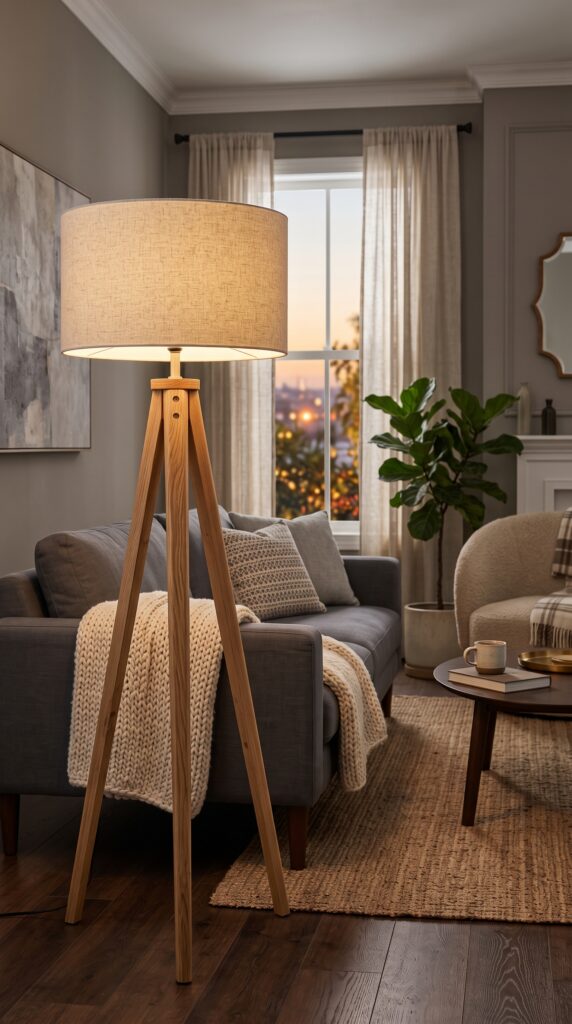
Overhead lighting alone makes any room feel flat and institutional. The fastest way to make a small living room feel cozy and designed is to layer multiple light sources at different heights. Think about it in three tiers: ambient (ceiling or overhead), task (table lamps, reading lights), and accent (LED strips, wall sconces, candles).
Floor lamps are particularly effective in small spaces because they draw the eye upward, which makes the ceiling feel higher. I currently use the LiteHistory Wood Tripod Floor Lamp for Living Room in the corner of my living room, and it does two things at once — it provides warm ambient light and acts as a decorative element in its own right. The wood tripod base suits the natural, modern-organic aesthetic I’ve been building in my space, and it doesn’t take up floor space the way a side table and lamp combo would.
According to The Spruce’s interior lighting guide, swapping a cool-toned bulb for a warm white LED (2700K to 3000K range) makes an immediate, noticeable difference in how welcoming a room feels. It’s a five-dollar fix that most people overlook.
best floor lamps for small living rooms
Editing Is the Final Step Nobody Talks About
Here’s the honest truth about modern living room decor that most design blogs skip over: editing is half the work. You can have the right colors, the right furniture, and the right lighting, and the room will still feel off if there’s too much stuff in it.
Every few months, I do a sweep of my living room and ask whether each item is earning its place. Books that aren’t being read, decorative objects that no longer feel intentional, throw pillows that don’t match the current palette — all of it gets removed or relocated. Small rooms have zero tolerance for clutter because everything is always visible. According to Houzz’s guide to minimalist decorating, the goal isn’t to have nothing — it’s to have only what you love.
When you combine intentional editing with smart furniture choices, strategic lighting, and a cohesive color story, even a truly small living room can feel like the most stylish room in the house. I’ve lived it, and I promise the effort is worth it.