
This guide walks you through the whole process, from planning to finishing touches, along with the most common mistakes people make and the tools that will save you the most time.
How to Plan Your Small Garden Makeover Ideas Before You Lift a Shovel
Planning is the step most people skip, and it’s also the reason most weekend garden projects stall by Sunday afternoon. Before you buy anything or move a single pot, spend thirty minutes walking your space and making honest observations.
Ask yourself a few key questions. Which areas get the most sun? Where does water pool after rain? What existing elements do you actually want to keep?
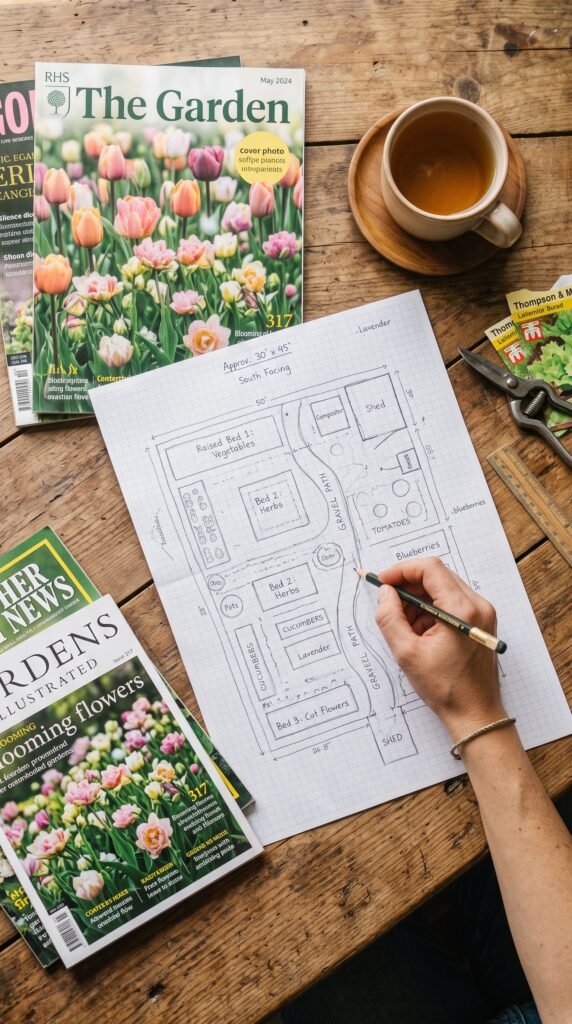
Once you’ve answered those, sketch a rough layout — it doesn’t need to be precise, just directional. Mark where you want a seating area, where planting beds will go, and where you need clear pathways. This sketch becomes your weekend roadmap and stops you from making expensive impulse decisions at the garden center.
One useful technique is to use string and stakes to map out zones before committing to anything permanent. This is especially helpful for small garden makeover ideas that involve raised beds or new paving, since you’ll immediately see whether your proportions work in real life versus on paper.
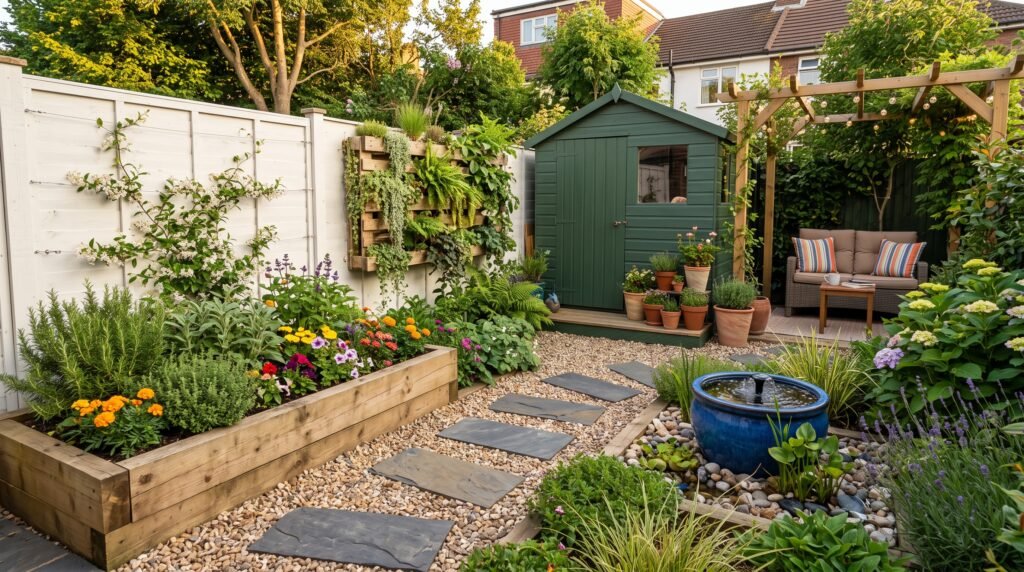
Consider vertical space from the start. Small garden makeover ideas that use fences, trellises, and wall-mounted planters are consistently more effective in compact spaces than designs that try to cram everything at ground level. Going vertical frees up floor space and draws the eye upward, making the whole area feel larger.
Also think about your soil. Compacted, nutrient-poor soil is the silent killer of small garden transformations. If your beds have been neglected, budget time on day one for soil improvement — add compost, break up compaction, and check drainage.
External resource: The Royal Horticultural Society has an excellent guide on planning a small garden that covers scale, proportion, and plant selection in detail.
Step-by-Step Small Garden Makeover Ideas for a Full Weekend
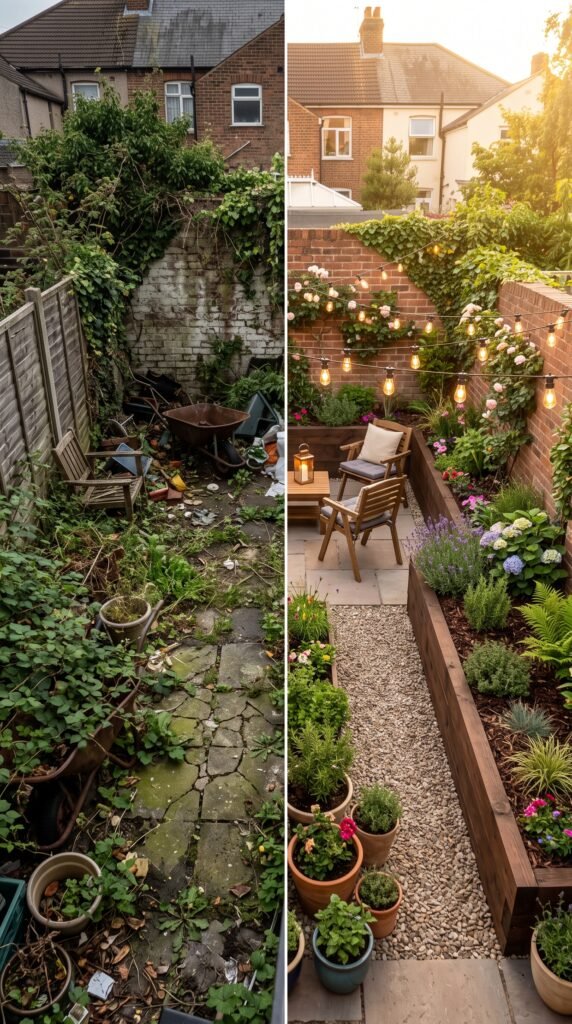
Breaking the project into two days makes it manageable and stops that overwhelming feeling that sets in when you’re staring at an overgrown patch wondering where to begin.
Day One: Clear, Build, and Plant
Start Saturday morning with a full clearout. Remove weeds, dead plants, broken pots, and anything that doesn’t belong in your finished vision. Be ruthless — one of the most effective small garden makeover ideas is simply editing down what’s there, because clutter makes small spaces feel even smaller.
Once the space is clear, move to any structural work. This means laying new edging, building or assembling raised beds, laying stepping stones, or painting fences and walls. Doing structural work before planting means you won’t accidentally damage new plants while you’re moving heavy things around.
If you’re painting a fence or wall, choose a colour that works with your plant palette. Dark greens and charcoal greys make foliage pop and add depth. Warm whites and creams reflect light and are ideal for shaded spaces.
By mid-afternoon, you should be ready to begin planting. Start with your largest structural plants — ornamental grasses, small shrubs, or climbers for walls and trellises — and work down to smaller perennials and ground cover. Leave annuals and container arrangements for day two when you can see the full picture.
Water everything thoroughly at the end of day one and add a layer of mulch to your beds. Mulch is one of those small garden makeover ideas that delivers outsized results: it suppresses weeds, retains moisture, and immediately gives beds a finished, professional look.
Day Two: Style, Layer, and Detail
Sunday is about refinement. Start by assessing what you planted on day one in the morning light — you’ll often notice gaps or areas that feel unbalanced that weren’t obvious the night before.
Fill gaps with container plants, which give you instant flexibility. Group containers in odd numbers (threes and fives) and vary heights by placing pots on bricks, upturned terracotta pots, or purpose-made plant stands. This layering technique is one of the most commonly overlooked small garden makeover ideas, but it adds the kind of dimension that makes a garden look intentionally designed rather than thrown together.
Add your finishing details in the afternoon: outdoor lighting, decorative gravel, a new welcome mat at the garden door, a small bistro table and chairs if you have room. These elements are what shift a garden from “tidy” to “inviting.”
String lights strung along a fence or overhead between two posts transform the atmosphere entirely after dark and cost very little. Solar-powered options mean no need to run cables, making them one of the most practical small garden makeover ideas for renters and first-time homeowners.
best outdoor solar lighting for small spaces
External resource: For plant combination ideas that work beautifully in compact spaces, the BBC Gardeners’ World plant selector lets you filter by space, soil, and sun requirements — an invaluable free tool when you’re planning a small garden makeover.
Common Mistakes That Derail Small Garden Makeover Ideas
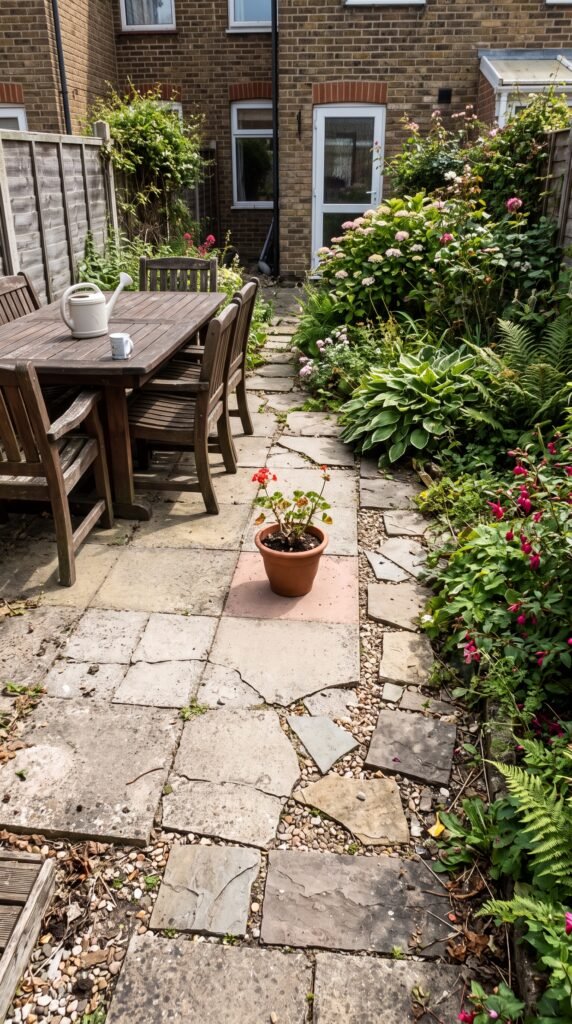
Even experienced gardeners make avoidable errors when working quickly over a weekend. Understanding these mistakes in advance is what separates a project that looks polished from one that feels half-finished by Sunday evening.
Choosing plants that are too large for the space. This is the single most common error. A plant that looks modest in a garden center pot can become a space-dominating mass in two growing seasons. Always check the mature spread of any plant before buying, not just its current size.
Buying furniture that’s out of scale. Oversized outdoor furniture in a small garden creates an instant feeling of chaos and leaves no room for actual planting or movement. Folding bistro chairs, slim benches, and wall-mounted fold-down tables are your best friends in a compact space.
Ignoring vertical surfaces. Leaving fences, walls, and boundaries bare is a missed opportunity in any small garden. Climbers, wall-mounted planters, and trained espalier plants are some of the most space-efficient small garden makeover ideas available to you.
Planting everything at the same height. Flat, uniform planting makes a garden feel static and smaller than it is. Layer plants from tall at the back or center to low at the edges, and use containers at varying heights to add movement and depth.
Skipping the edging. Clean, defined edges between lawn, paving, and beds are what give a garden that “done” quality. Without edging, everything blurs together and the space looks unfinished regardless of how well everything else is executed.
Overcomplicating the design. With small garden makeover ideas, restraint is almost always the right call. A coherent scheme with two or three colours, a limited plant palette, and one or two clear zones will always look more intentional than a space trying to do too many things at once.
beginner mistakes in garden design and how to fix them
The Best Tools for Executing Small Garden Makeover Ideas Efficiently
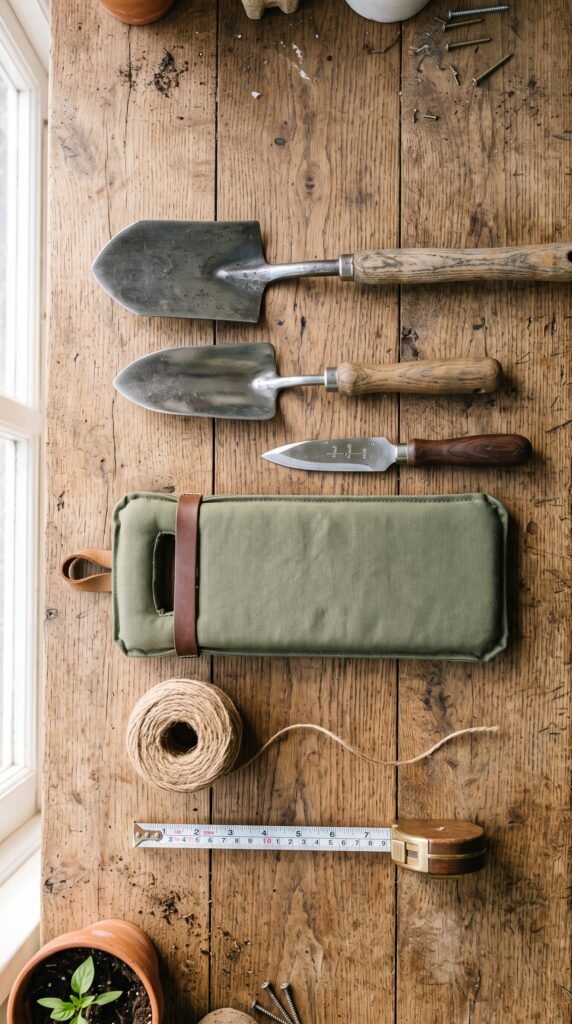
Having the right tools doesn’t mean having the most tools. For a weekend small garden makeover, a focused kit of high-quality essentials will serve you far better than a shed full of equipment you don’t know how to use.
Digging and Planting Tools
A good border spade is your most important investment. Unlike a standard digging spade, a border spade has a narrower head that’s ideal for working in confined beds and around existing plants without causing damage. Pair it with a hand trowel for container planting and a soil knife (also called a hori hori) for planting bulbs, dividing plants, and cutting roots — it’s one of the most versatile tools in any gardener’s kit.
A quality kneeling pad is non-negotiable for a full weekend of work. Your knees will thank you by Sunday afternoon, and a padded, waterproof pad is a minimal investment compared to the discomfort of working without one.
Cutting and Shaping Tools
A pair of bypass pruners handles the majority of cutting tasks: trimming plants, cutting twine, pruning back overgrowth, and deadheading. Look for pruners with a rotating handle if you’ll be doing extended sessions, as they significantly reduce hand fatigue.
Long-handled edging shears are worth having if your garden has any lawn areas adjoining beds or paving. Clean edges are one of the fastest small garden makeover ideas you can execute — a fresh edge along a bed can make an entire area look instantly maintained.
Measuring and Layout Tools
A 5-metre tape measure, a ball of garden twine, and a handful of wooden stakes cost almost nothing but are indispensable for planning pathways, laying out bed shapes, and spacing plants correctly. Eyeballing distances in a small space is surprisingly unreliable, and getting proportions right is fundamental to making small garden makeover ideas work visually.
Watering Equipment
A long-spouted watering can is ideal for new plantings where you need gentle, targeted watering at the root zone. A hose with an adjustable head is useful for larger areas and end-of-day deep watering. If you’re planting into containers, a moisture meter is a surprisingly useful tool that removes the guesswork from watering schedules.
External resource: Which? Magazine’s garden tool reviews provide independent, consumer-tested assessments of tools across all price points — useful if you’re deciding where to invest versus where to save.
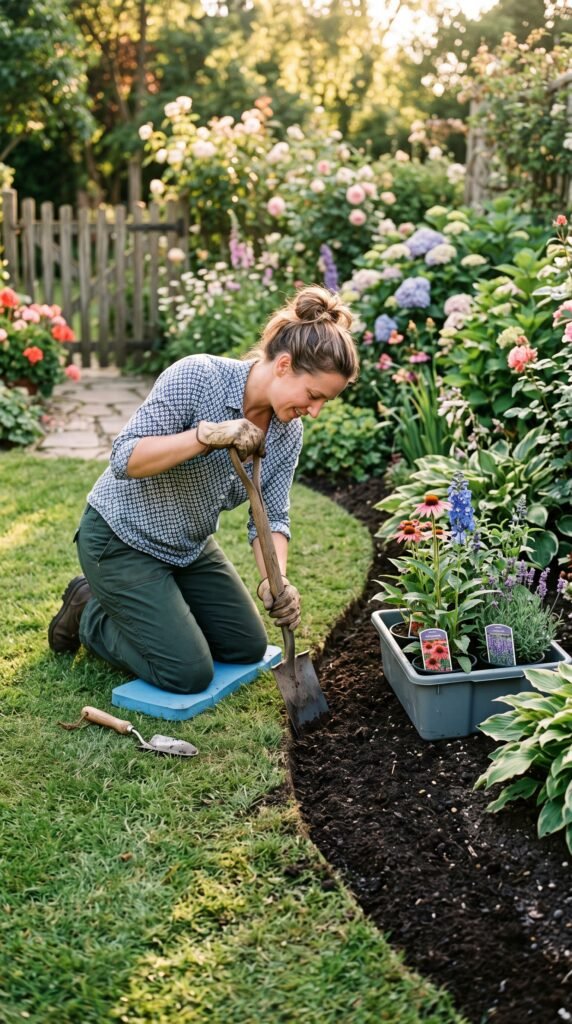
How to Make Your Small Garden Makeover Ideas Last Beyond the Weekend
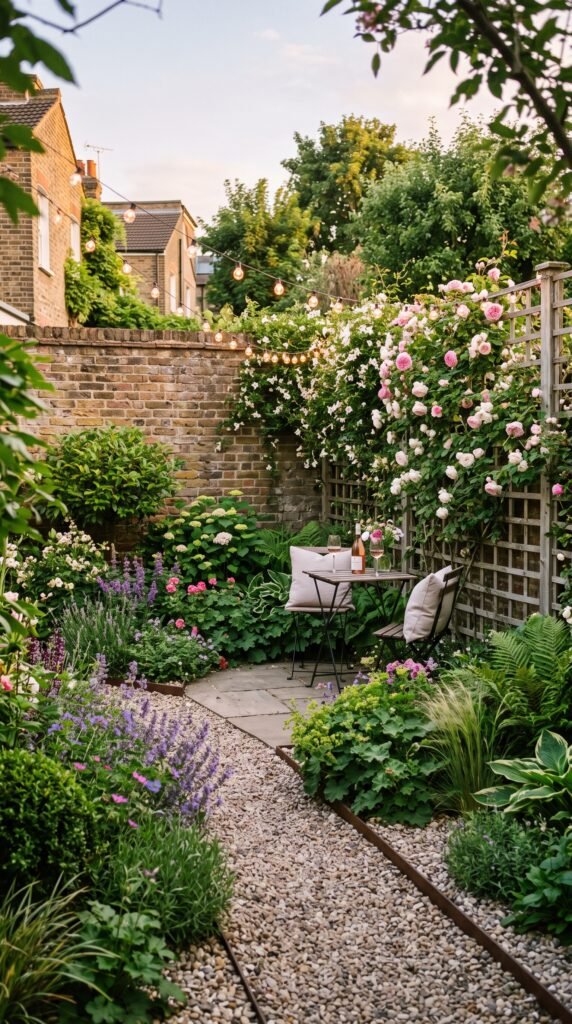
The best weekend transformation is one that stays looking good with minimal effort for months afterward. A few smart choices during the makeover phase will dramatically reduce your ongoing maintenance workload.
Choose plants with a long season of interest. Ornamental grasses, evergreen perennials, and plants with attractive seed heads mean your garden looks good in winter as well as summer. One of the most sustainable small garden makeover ideas is to build a planting scheme around a backbone of low-maintenance evergreens, then add seasonal colour through annuals and bulbs.
Mulch deeply and refresh it annually. A 7–10cm layer of bark mulch or composted wood chip suppresses the vast majority of weeds, retains soil moisture, and slowly improves soil structure as it breaks down. It’s genuinely one of the highest-return investments you can make in any garden.
Install drip irrigation or self-watering containers if you travel regularly or find watering inconsistent. Even a basic system connected to a timer can mean the difference between a thriving garden and one that suffers during dry spells.
Keep a simple maintenance schedule. Once a fortnight, spend twenty minutes doing a quick edge, deadhead, and weed check. Staying ahead of small tasks means you never face another overwhelming weekend clearout. The real secret behind all lasting small garden makeover ideas isn’t the initial transformation — it’s the low-level, consistent attention that keeps the transformation visible.
Your outdoor space, no matter how modest, deserves to be somewhere you actually want to spend time. With a clear plan, the right tools, and a realistic two-day schedule, this weekend could be the one where your garden finally becomes that place.