
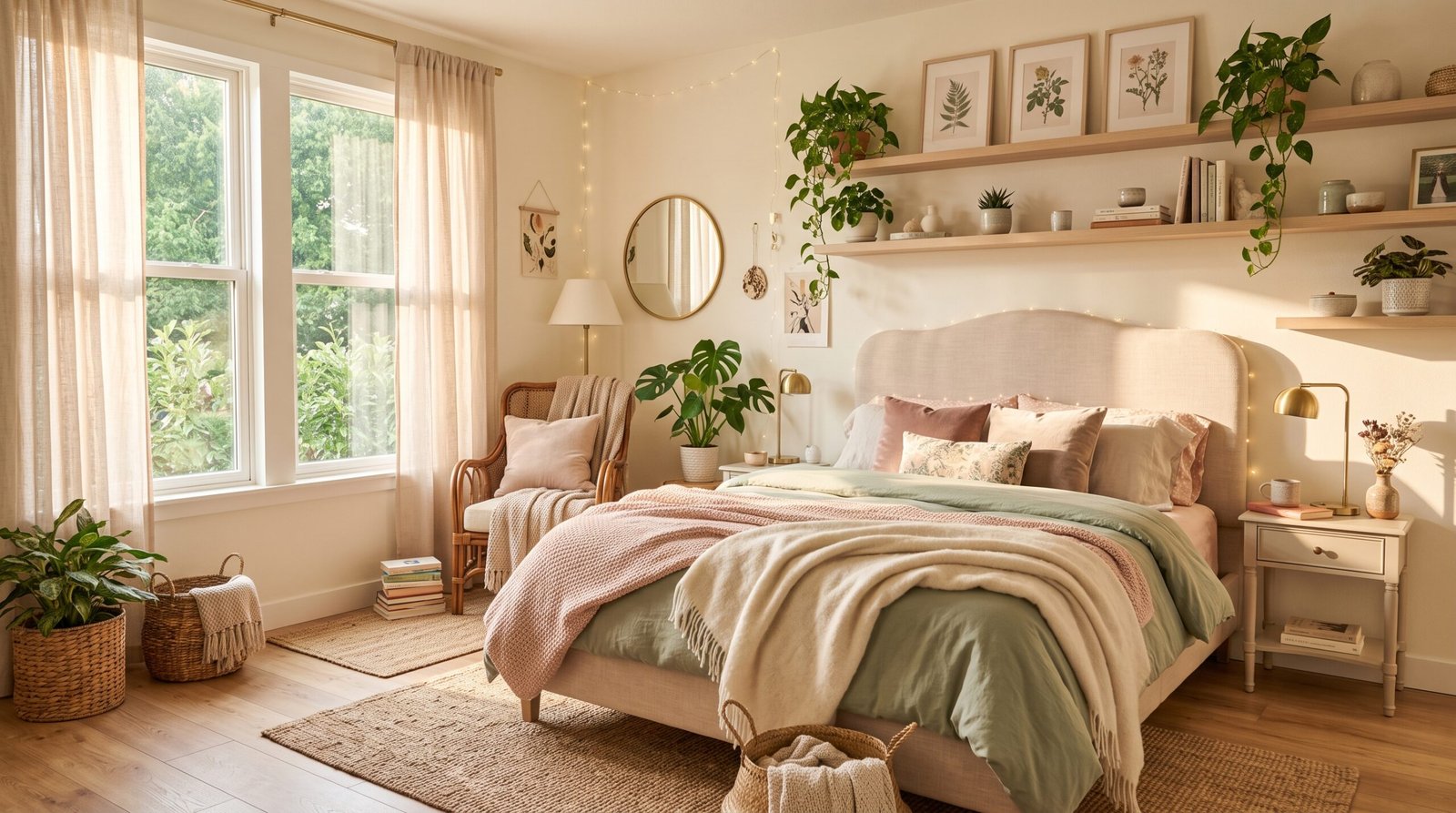
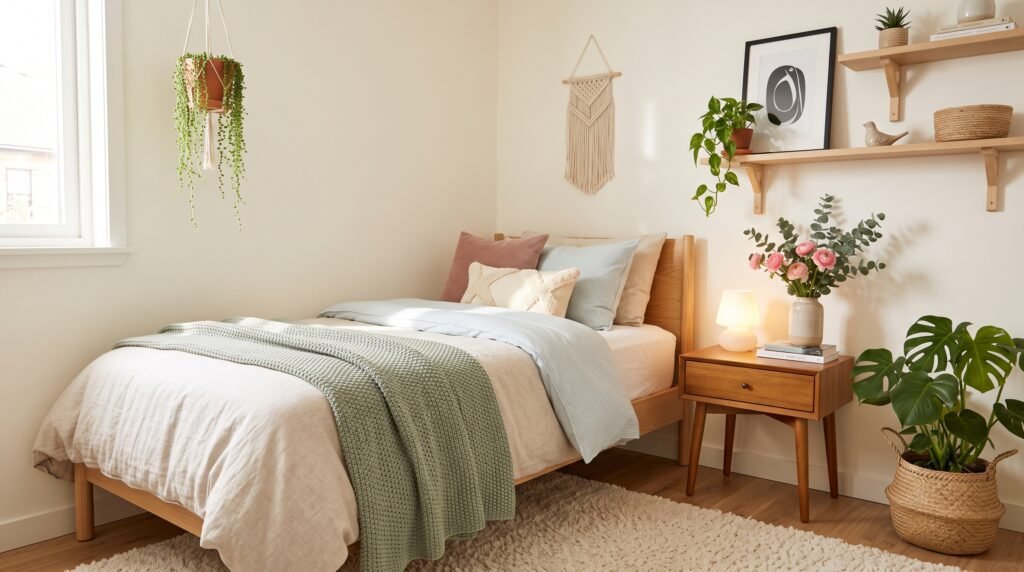
If your bedroom feels more like a storage closet than a sanctuary, you’re not alone — and you’re definitely not out of options. Small rooms have a reputation for feeling cramped and chaotic, but with the right dreamy bedroom decor ideas, even the most compact space can be transformed into something that feels calm, cozy, and completely intentional. The secret isn’t more square footage. It’s smarter choices.
Whether you’re renting a studio, living in a starter home, or simply working with what you’ve got, these tips are grounded in real design principles that make a genuine difference. You’ll find practical guidance on color, light, layout, and the small details that quietly add up to a big impact.
Why Small Bedrooms Deserve Thoughtful Decor
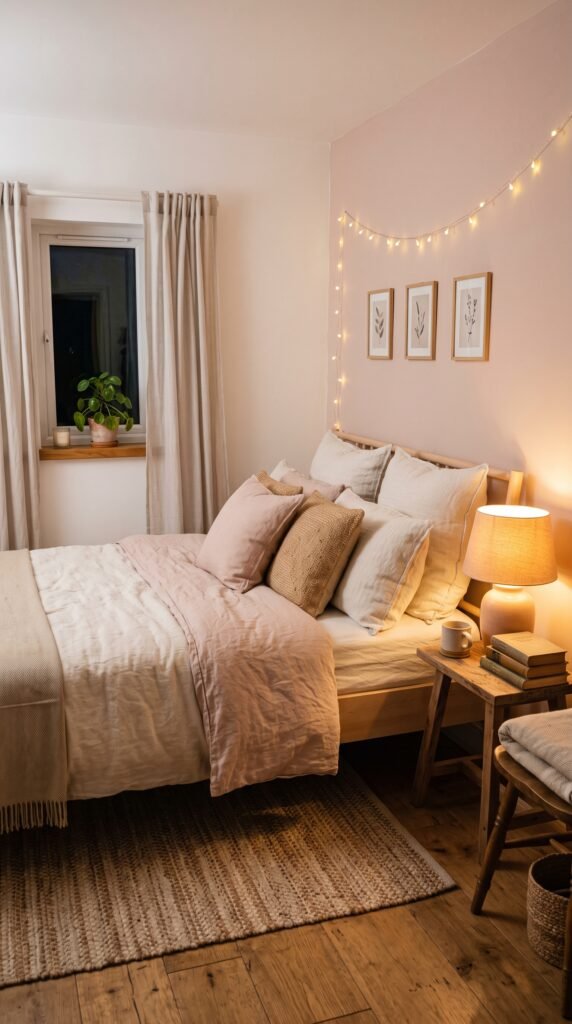
A bedroom isn’t just where you sleep — it’s where you decompress, recharge, and start your day. When the space feels cluttered or disorganized, that energy carries over into how you feel when you wake up. Thoughtful decor isn’t about aesthetics for their own sake. It’s about creating an environment that genuinely supports your rest and wellbeing.
Small rooms also respond more dramatically to decor changes than large ones. Moving a single piece of furniture, swapping a light fixture, or changing your bedding color can completely shift the mood of the entire room. That’s actually one of the hidden advantages of a tiny space — your changes go further.
Start With a Soft, Light Color Palette
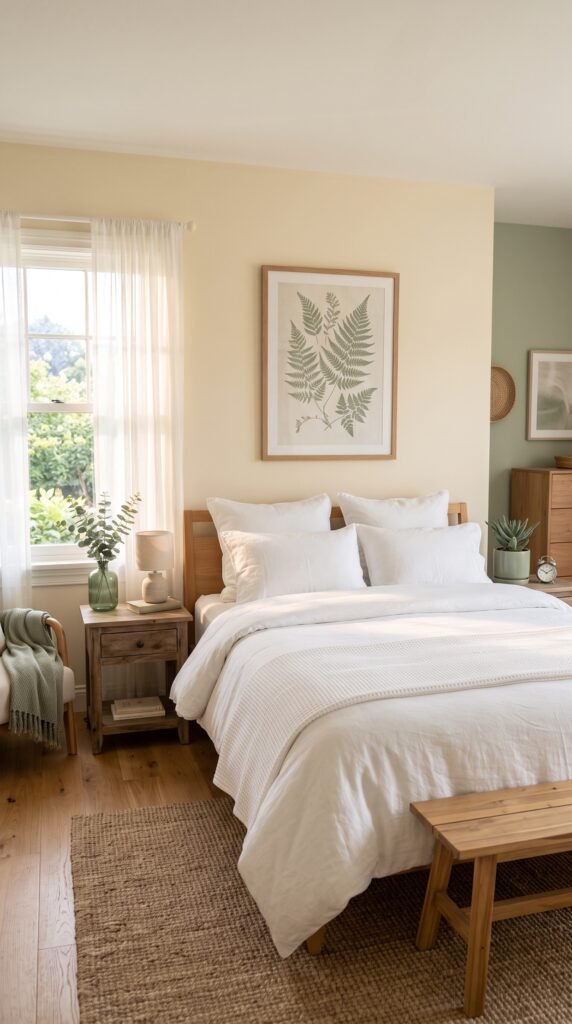
Color is the single most powerful tool you have in a small bedroom, and it costs less than almost any other update. Light, muted tones — think soft white, warm ivory, pale blush, sage green, or dusty lavender — reflect natural and artificial light back into the room rather than absorbing it. The result is a space that feels airier and more open without changing a single dimension.
The reason this works goes beyond simple aesthetics. Lighter walls reduce visual contrast, which means your eye doesn’t keep bouncing between bold competing colors. That visual calm translates into a genuine sense of spaciousness. If you want to go a step further, keeping your wall color, bedding, and curtains in the same tonal family creates a seamless, almost gallery-like effect that makes walls feel like they’re receding.
Don’t be afraid of layering shades within the same palette, either. A white wall with cream bedding and a soft taupe throw feels rich and intentional rather than flat, and it gives the room depth without adding visual noise.
Choose the Right Bed Frame for Your Space
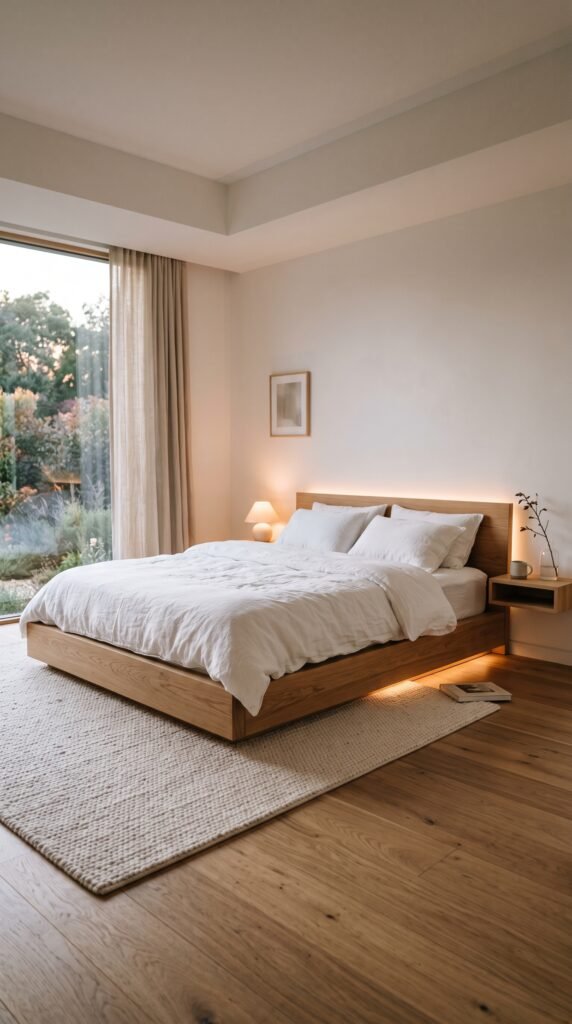
Your bed is the largest piece of furniture in the room, which means it has the biggest impact on how spacious — or how crowded — everything feels. In a small bedroom, a low-profile or platform-style bed frame does something clever: by keeping the bed closer to the floor, it leaves more visual space between the mattress and the ceiling. That extra visual breathing room makes your ceiling feel higher than it actually is.
Beyond height, consider the visual weight of the frame itself. Heavy, ornate headboards with thick footboards can eat up a small room. A simple upholstered headboard in a neutral fabric, a slim wooden frame, or even a floor-level mattress arrangement gives the bed presence without dominating the space. If your frame has clean, straight lines, it also tends to photograph and feel more intentional — one of those small details that separates a room that looks designed from one that just looks furnished.
how to style a platform bed for small spaces
Layer Your Lighting Like a Pro
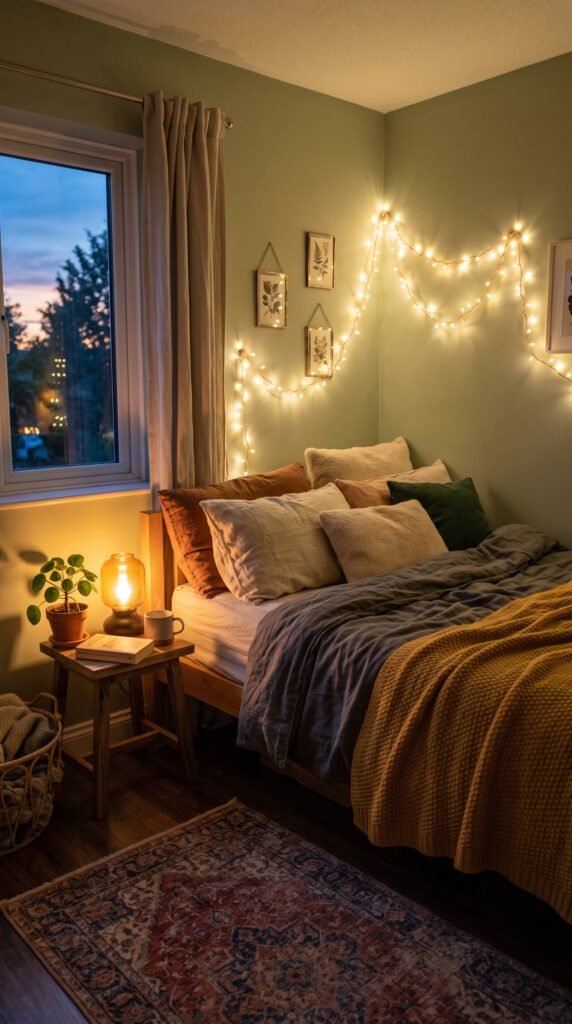
Lighting is what separates a functional bedroom from a genuinely dreamy one. Single overhead lights — especially cool-toned or fluorescent ones — tend to flatten a room and create harsh shadows that make everything feel smaller and more clinical. Layered lighting, on the other hand, adds depth, warmth, and that hard-to-define quality of coziness that makes a small room feel like a retreat.
Think of your lighting in three layers. First, you have ambient light — the general illumination that lets you navigate the room safely. Second, task lighting serves a specific purpose, like a bedside lamp for reading. Third, accent lighting is purely atmospheric: fairy lights draped along a shelf, a softly glowing LED strip behind the headboard, or a small candle-style lamp on a dresser.
Warm bulbs in the 2700K–3000K color temperature range are your best friend in a small bedroom. They mimic the golden quality of late afternoon sunlight, which is naturally associated with relaxation. According to Sleep Foundation research on light and sleep, cooler blue-toned light suppresses melatonin production, so switching to warm light in the evening genuinely supports better sleep — not just better aesthetics.
Use Mirrors Strategically
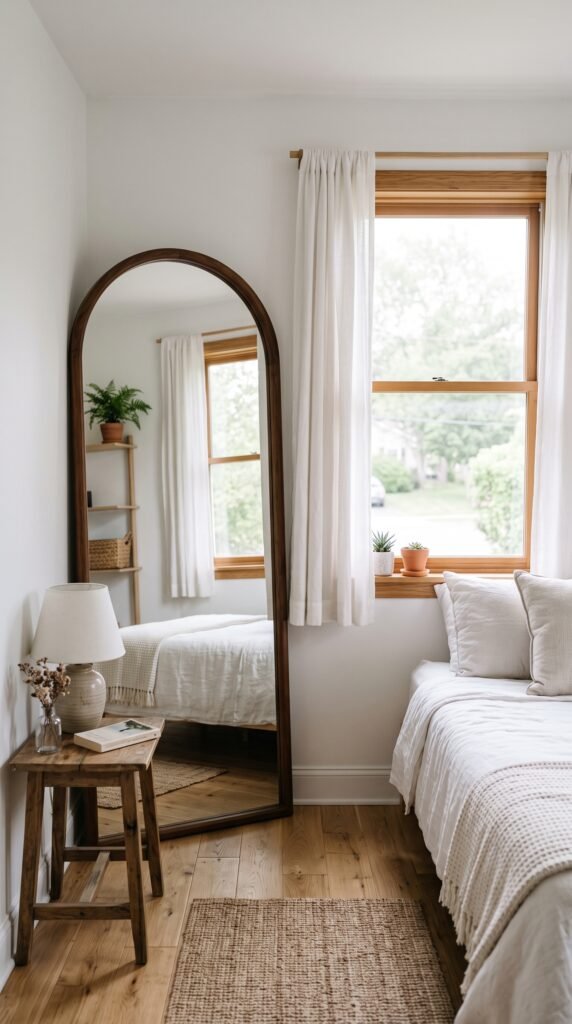
Mirrors are one of the oldest tricks in interior design, and they work because of straightforward physics. A mirror reflects both light and imagery, effectively doubling what the eye perceives. In a small bedroom, a well-placed mirror can make the room feel almost twice as wide or deep.
The key is placement. Hanging a mirror directly opposite a window lets it bounce natural light around the room all day, which reduces your reliance on artificial lighting and keeps the space feeling bright and open. A full-length mirror leaning against a wall also adds a casual, lived-in elegance while pulling the eye upward and creating the impression of more vertical space.
If a single large mirror feels too bold, a grouping of smaller framed mirrors arranged like a gallery wall gives you the same optical effect with more decorative personality. Just keep the frames in coordinating finishes so the arrangement feels cohesive rather than cluttered.
Embrace Smart, Hidden Storage
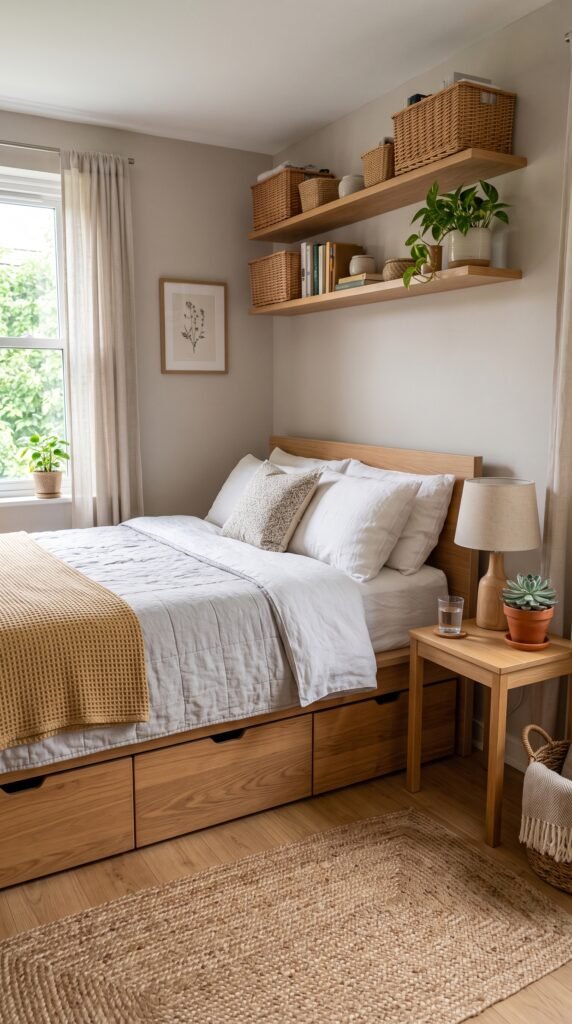
Clutter is the single fastest way to undermine every other dreamy bedroom decor idea on this list. No matter how beautiful your color palette or how perfectly placed your lighting, a room full of visible mess will always feel chaotic and small. The goal isn’t minimalism for its own sake — it’s finding a home for everything you own so that the surfaces you see every day stay calm and intentional.
In a small bedroom, the space under your bed is prime real estate. Flat storage containers can hold off-season clothing, extra bedding, or shoes — keeping them accessible but completely invisible. Vertical space is equally valuable. Shelves that run up toward the ceiling take advantage of square footage you’d otherwise ignore, and they draw the eye upward, which again creates that sense of height.
Woven baskets, linen boxes, and other soft-sided storage containers do double duty: they organize your belongings and add texture and warmth to the room’s overall look. The key is consistency. When your storage looks intentional rather than improvised, even a small room reads as thoughtfully designed. The American Institute of Architects’ guidance on residential design consistently highlights storage integration as one of the most impactful quality-of-life improvements in compact living spaces.
Bring Nature Indoors With Plants
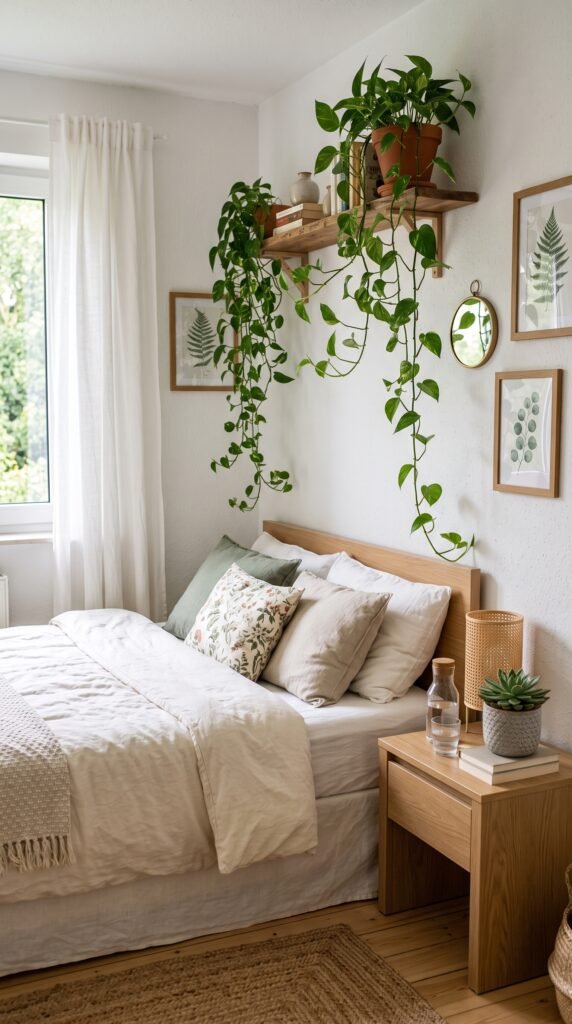
Plants have a remarkable ability to make a room feel alive and cared for without adding visual clutter — as long as you choose and place them thoughtfully. In a small bedroom, a single trailing plant on a high shelf, a small succulent on your nightstand, or a hanging planter in a corner near the window can introduce just enough organic softness to balance out harder surfaces like wood and metal.
Beyond aesthetics, there’s a genuine psychological benefit to incorporating greenery into your sleep space. Research published by NASA’s Clean Air Study suggests certain houseplants can improve indoor air quality, and separate studies have linked exposure to natural elements with lower cortisol levels and reduced stress. Even if the impact is modest, a living plant signals care and intention — and that matters in a space meant for rest.
If you’re not confident about plant care, low-maintenance varieties like pothos, snake plants, or ZZ plants thrive in a range of lighting conditions and genuinely tolerate occasional neglect. They’re an easy starting point that offers a lot of visual reward for minimal effort.
Keep Wall Decor Curated and Calm
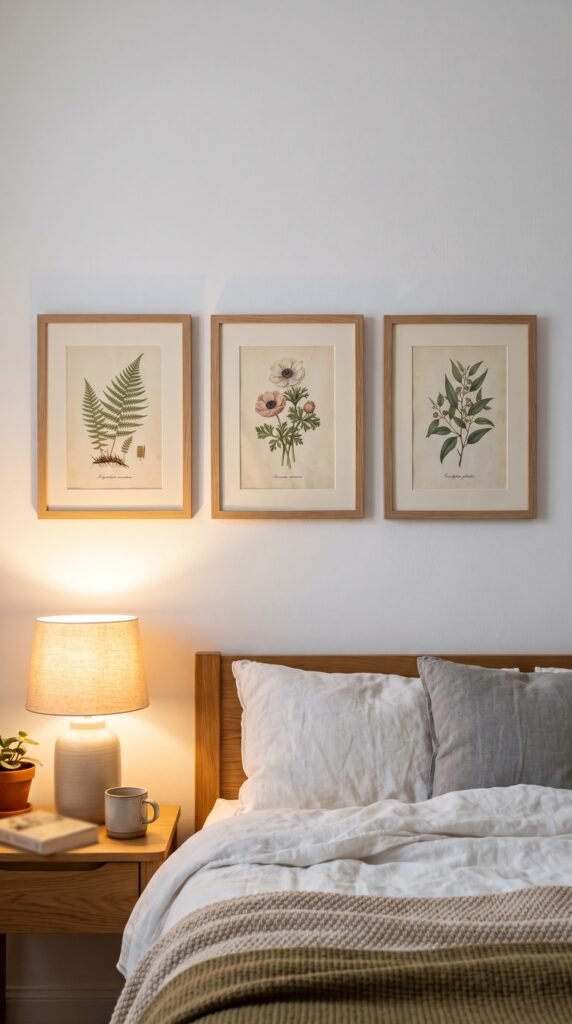
Wall decor in a small bedroom is a balancing act. Too little and the room feels unfinished. Too much and it starts to feel like a cluttered gallery where nothing stands out. The sweet spot is intentional curation — choosing a small number of pieces that feel meaningful and work together visually.
Two or three pieces in coordinating frames almost always look more considered than a dozen mismatched ones. When your wall art shares a consistent palette or style — soft botanical prints, abstract watercolors, simple line drawings — it creates a visual rhythm that feels calm rather than busy. That calm is exactly what a dreamy bedroom needs.
The placement matters as much as the pieces themselves. Art hung slightly lower than you might expect (with the center of the piece at roughly eye level when seated on the bed) feels intimate and cozy rather than formal. It draws the room’s energy downward and inward, reinforcing that sense of refuge that makes small bedrooms feel special rather than simply small.
beginner’s guide to gallery walls in small spaces
The Small Details That Pull Everything Together
A truly dreamy small bedroom isn’t created by any single element — it’s the accumulation of many small, thoughtful choices that work in harmony. Soft textures on the bed like linen, cotton, or velvet add tactile warmth that photographs beautifully and feels even better in person. A scent element — a simple reed diffuser or a lightly fragranced candle — engages a sense that purely visual decor ignores, making the room feel more complete.
Keeping your nightstand surface intentional is another underrated habit. When you limit what lives there to two or three items — a lamp, a small plant, and perhaps one book — the whole room feels more curated by association. It’s a tiny change with outsized visual impact.
Small bedrooms are genuinely one of the most rewarding design challenges because every smart decision you make is immediately visible and meaningful. You don’t need to do everything at once. Start with color, add warm lighting, and let the rest follow — and you’ll find that your small space has far more potential than you ever gave it credit for.