Affiliate Disclosure: This post contains affiliate links. If you purchase through these links, I may earn a small commission at no extra cost to you. This never affects the price you pay, and products are only recommended when they genuinely add value.
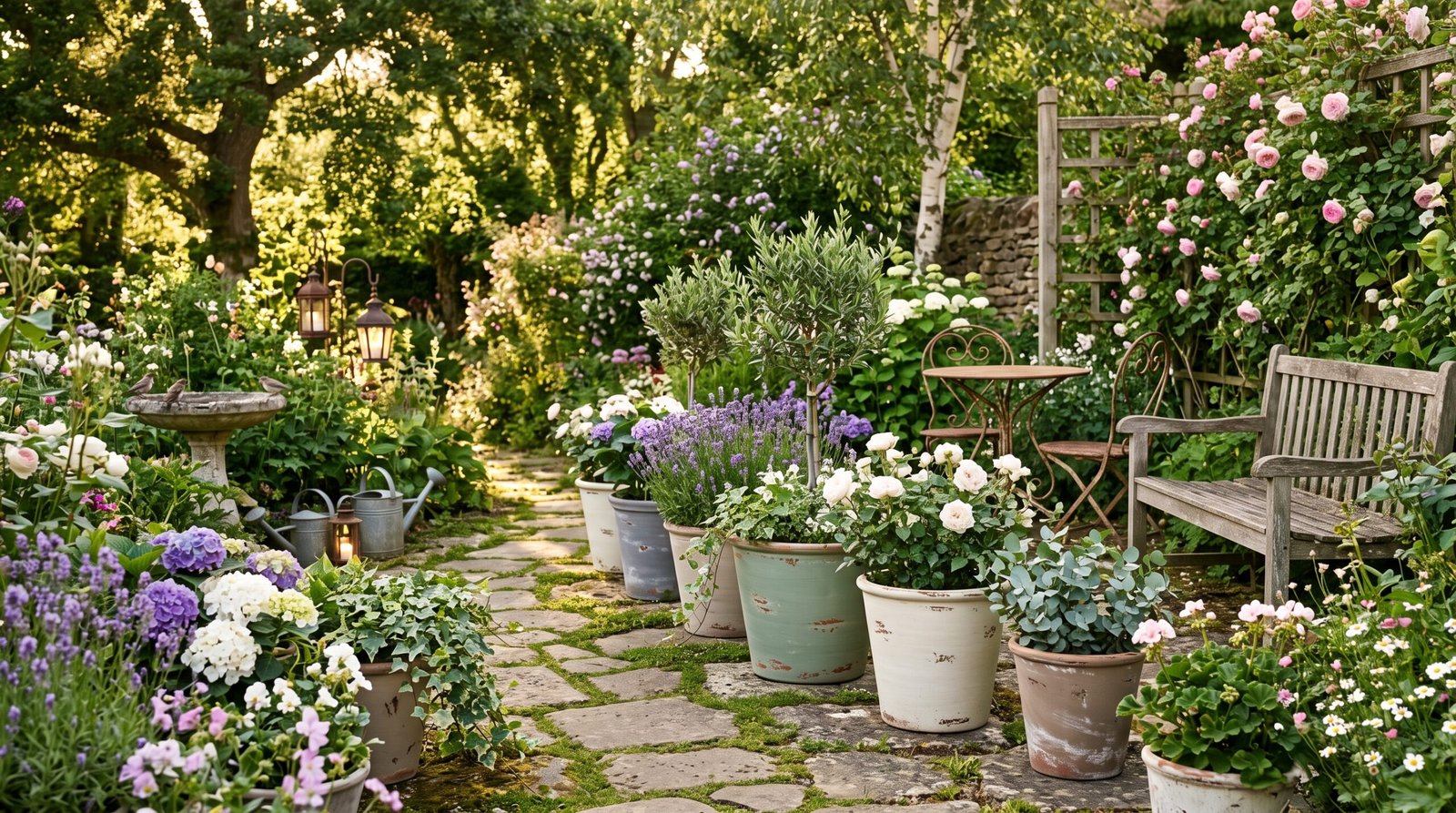
Your garden might have beautiful plants, good soil, and decent light — and still feel like something is missing. That “something” is usually character. A space that looks too new, too uniform, or too tidy rarely feels inviting, no matter how much effort goes into it. Painted clay pots with distressed finishes are one of the simplest, most affordable ways to solve that problem and give your outdoor space the depth and personality it deserves.
Why Your Garden Looks Flat (And What Actually Fixes It)
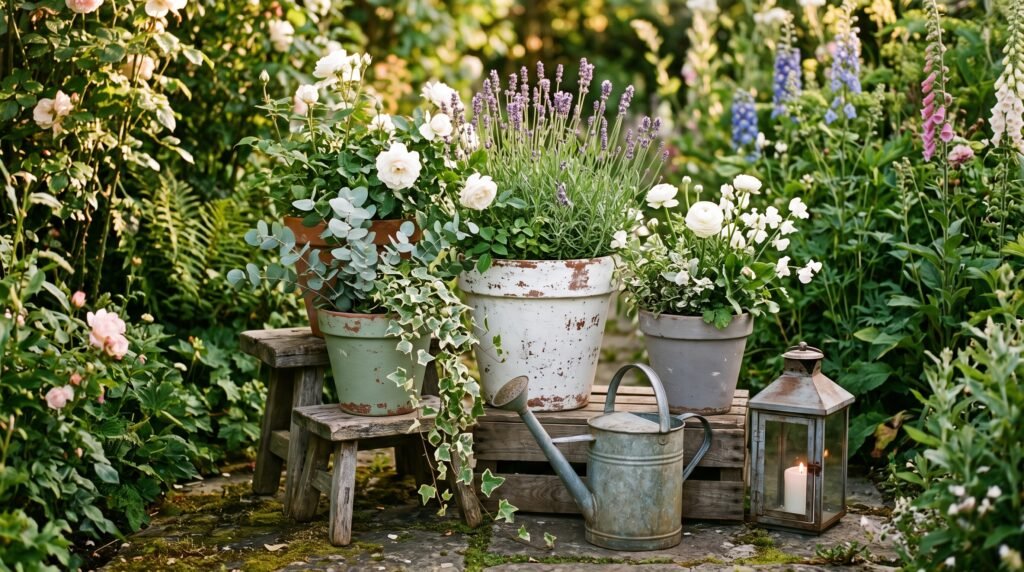
Most gardens that feel underwhelming share one common trait: everything in them looks like it arrived from the same store on the same day. New pots, new furniture, new accessories — all perfectly clean, perfectly matched, and completely devoid of visual tension. The result feels more like a product display than a living space.
What professional garden stylists understand is that the eye craves contrast. Rough next to smooth, old next to new, faded next to vibrant. When you introduce distressed finishes into your container garden, you immediately create that contrast, and your eye has somewhere interesting to travel.
Distressed clay pots work because they suggest history. Even if your garden is brand new, a pot with chipped paint and faded tones reads as something that has lived through seasons — and that sense of time is exactly what makes a space feel real rather than staged.
This is also why distressed finishes are a favourite tool in garden design and outdoor styling — they give designers a shortcut to that coveted “established garden” look without waiting years for it to develop naturally.
The Design Psychology Behind the Aged Look
There is a reason rough textures and imperfect finishes feel so satisfying in a garden. According to principles rooted in biophilic design, humans are drawn to natural imperfection because it mirrors what we find in the organic world. Smooth, uniform surfaces feel manufactured. Weathered, layered surfaces feel alive.
When you place a plant in a distressed clay pot, the pot itself becomes part of the composition. The faded paint echoes the muted tones of soil and stone. The chipped edges mirror the texture of bark and dried leaves. Everything feels like it belongs together, and that cohesion is what gives a garden its emotional pull.
My Top Picks
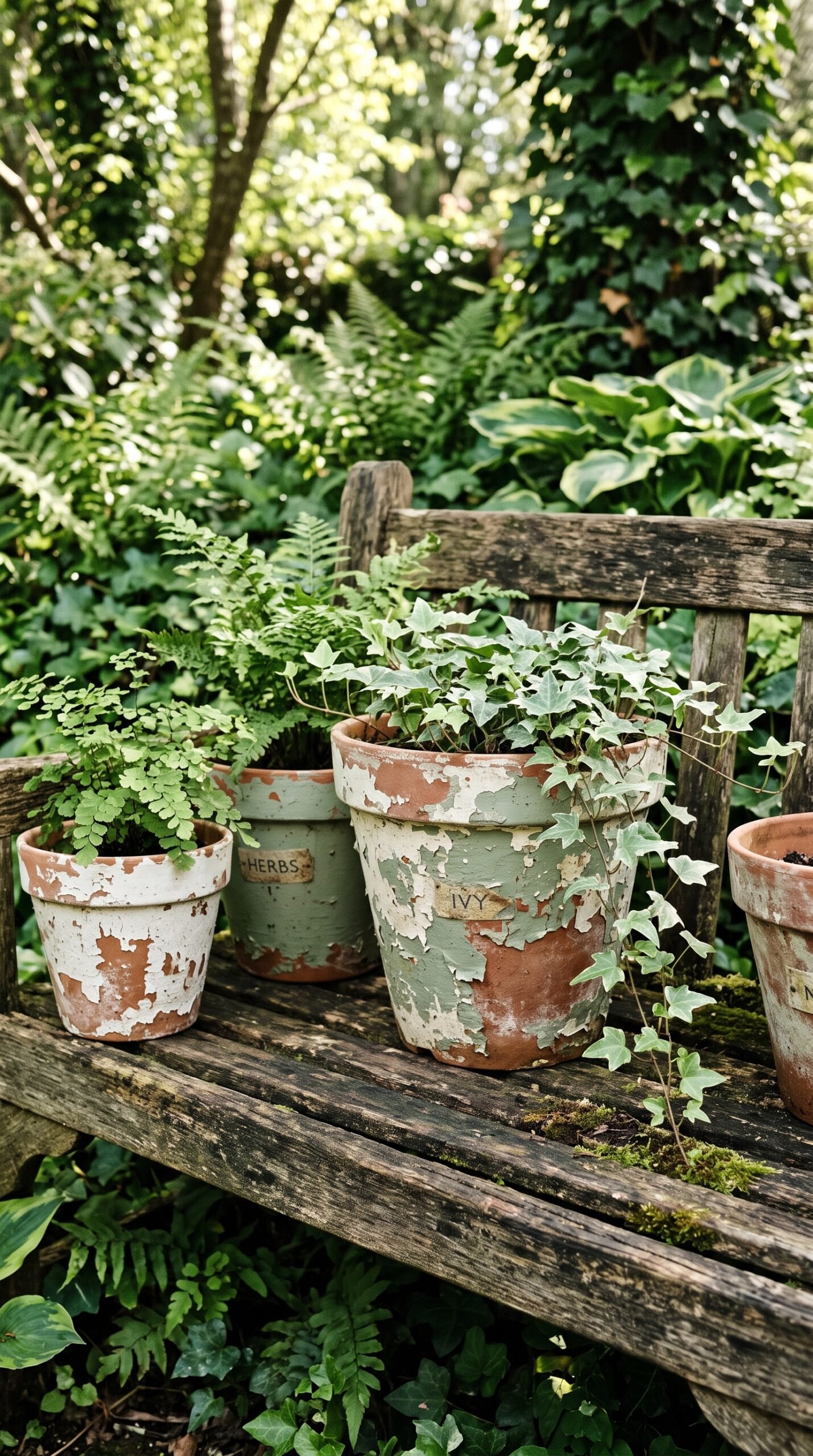
Vintage Clay Pot Set
Cook with confidence. The Vintage Clay Pot Set heats evenly, cleans up fast, and is built to last through years of daily cooking.
Shop on Amazon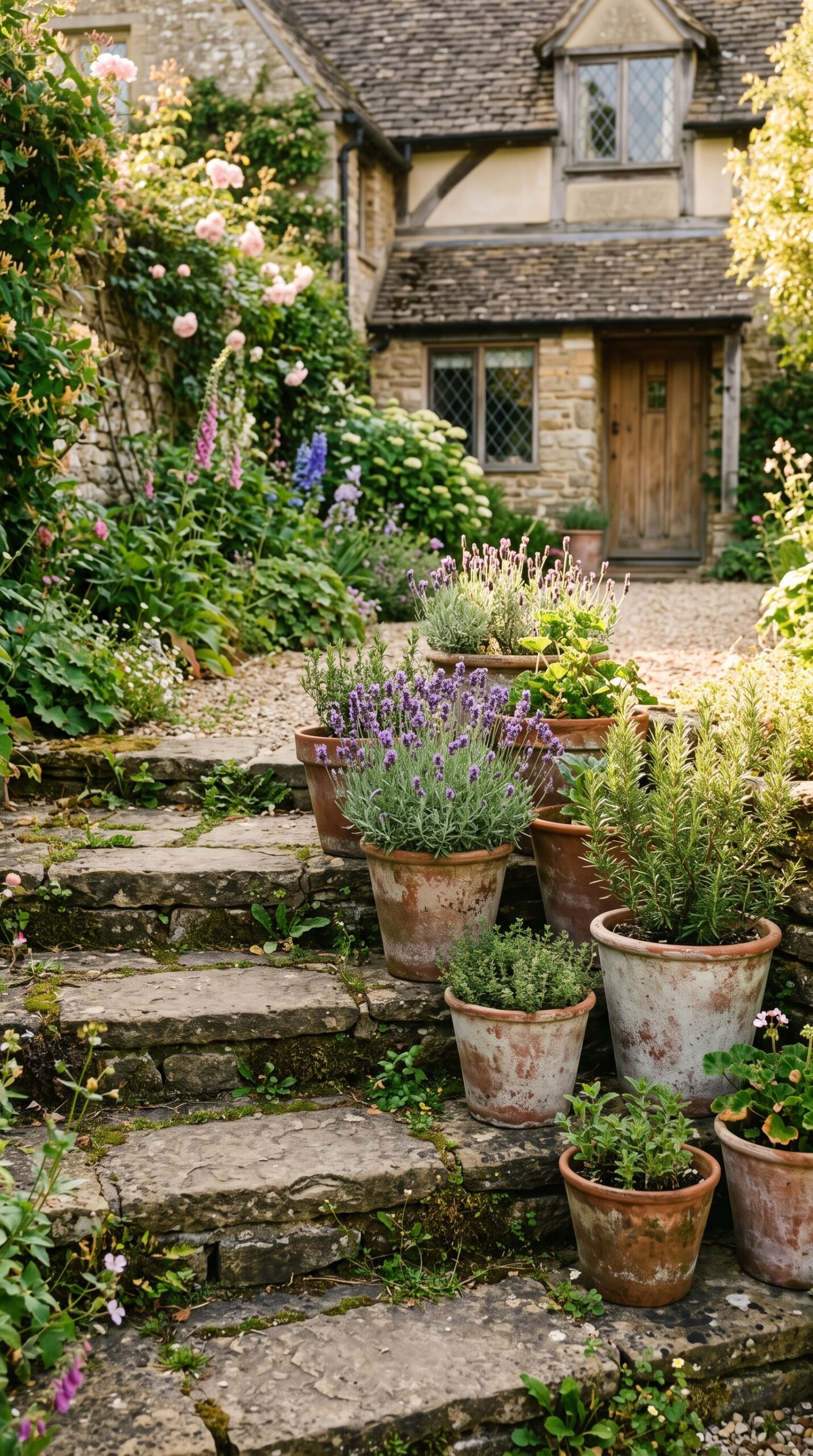
Rustic Planters
Bring life indoors. The Rustic Planters gives your greenery a stylish home and makes any shelf or windowsill pop.
Shop on Amazon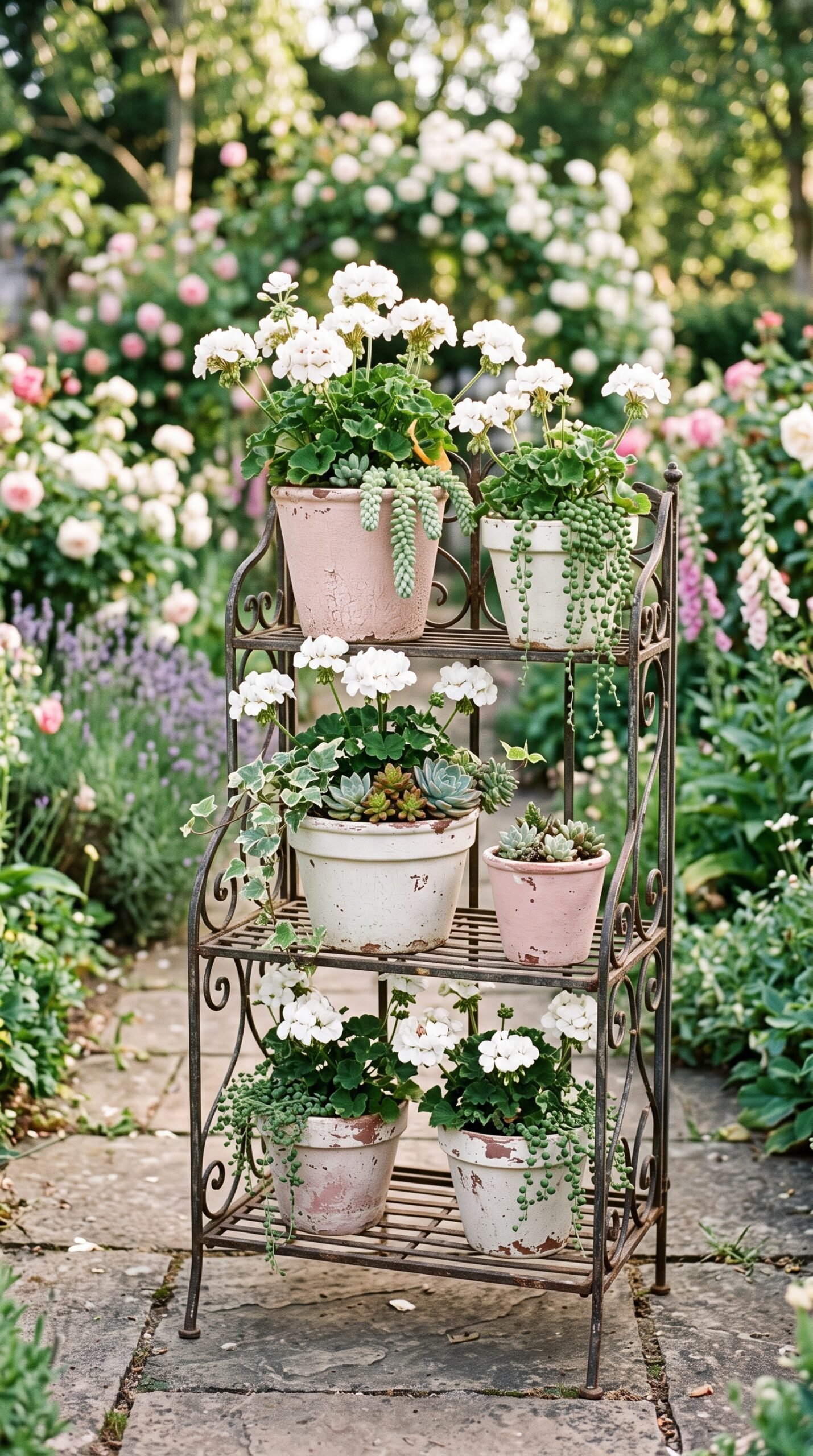
Shabby Chic Pots
Cook with confidence. The Shabby Chic Pots heats evenly, cleans up fast, and is built to last through years of daily cooking.
Shop on Amazon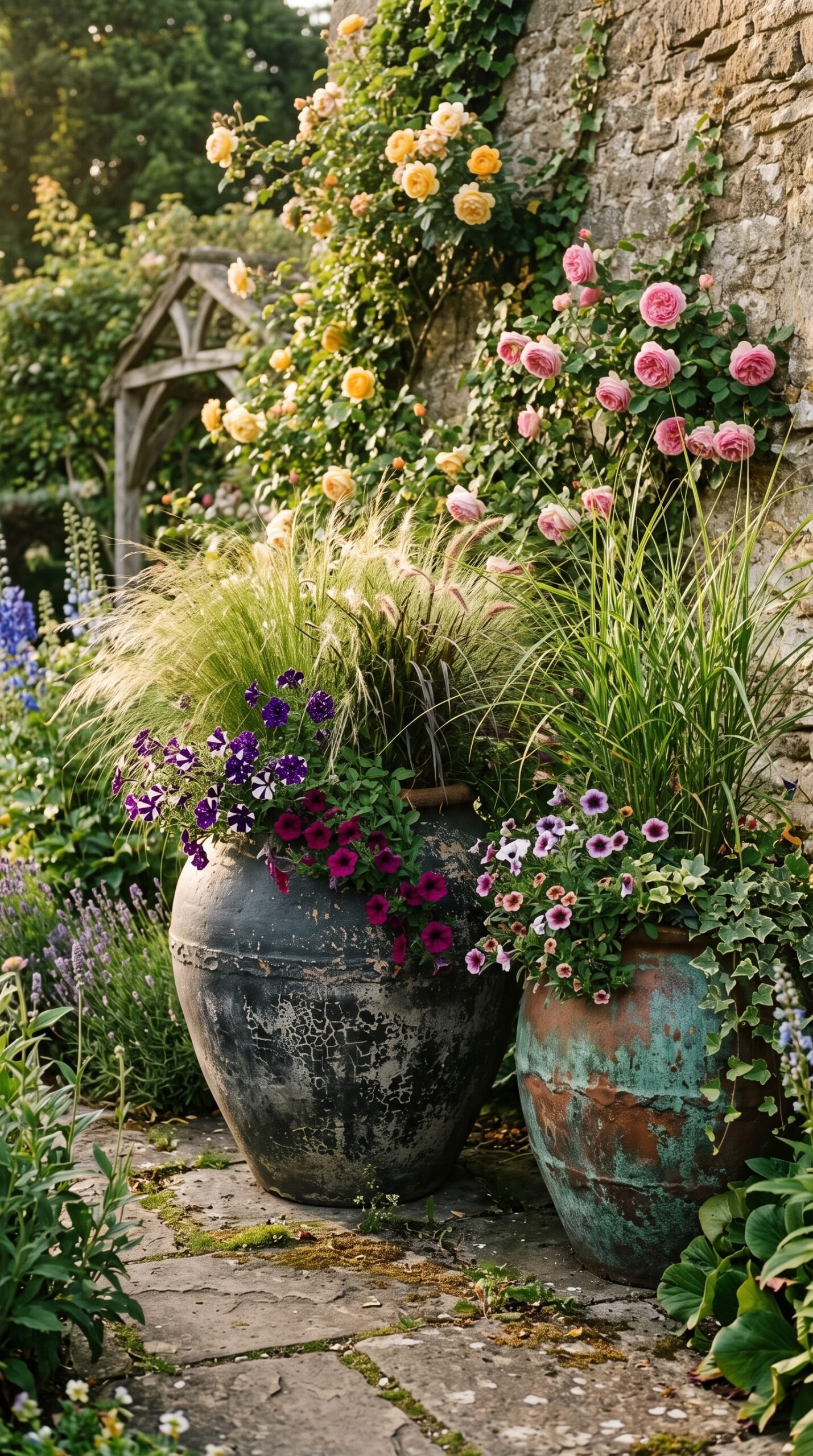
Antique Garden Pots
Cook with confidence. The Antique Garden Pots heats evenly, cleans up fast, and is built to last through years of daily cooking.
Shop on Amazon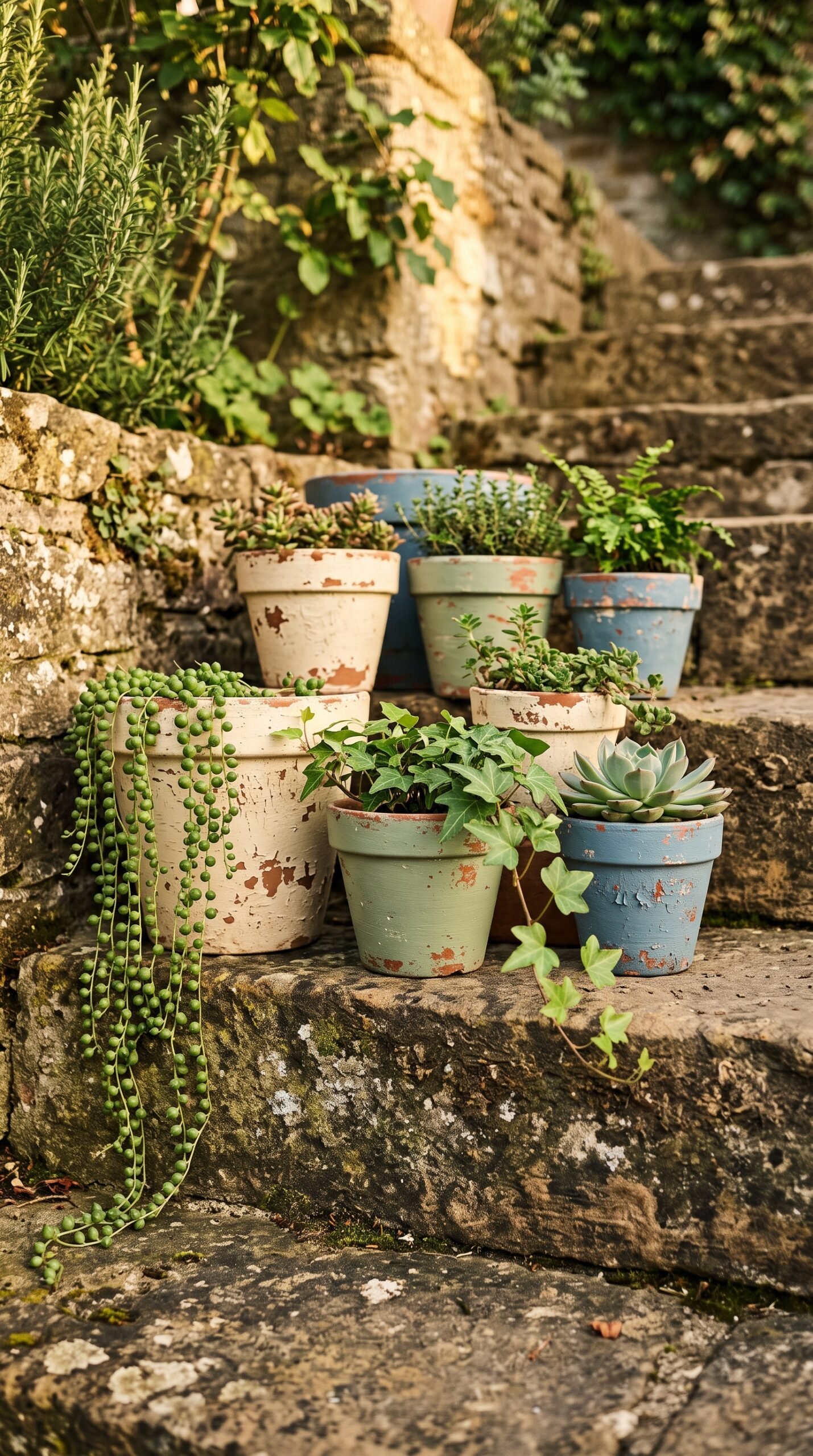
Mini Terracotta Pots
Perfect for succulents, herbs, and small flowering plants, these classic clay pots provide an authentic rustic look that's ideal for distressed painting projects.
Shop on AmazonHow to Use Distressed Clay Pots to Transform Your Outdoor Space
Understanding why distressed pots work is one thing — knowing how to use them well is where the real transformation happens. There are a few key principles that make the difference between a garden that looks thoughtfully styled and one that just has a few old-looking pots sitting around.
Layer Your Pot Sizes Intentionally
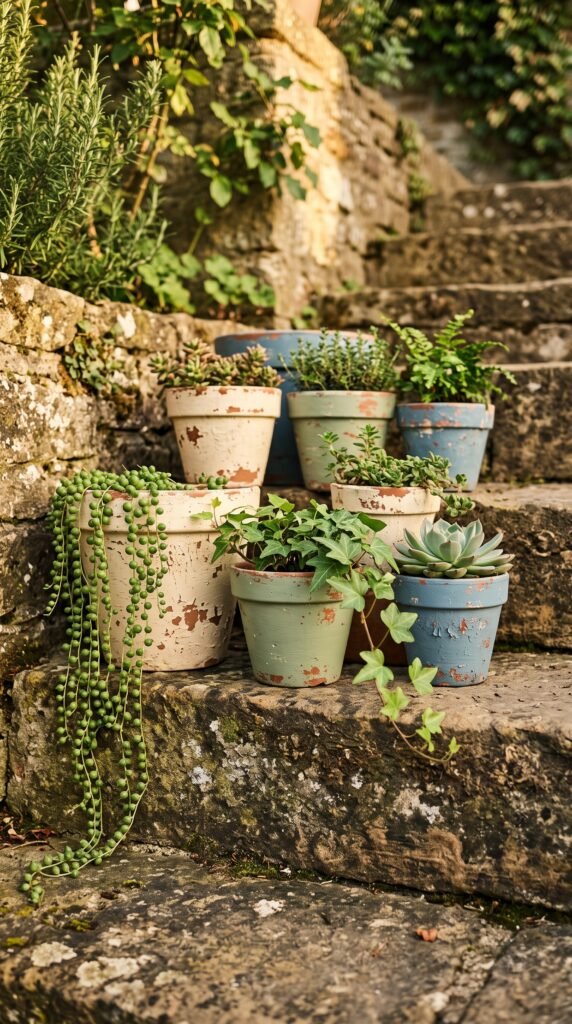
One of the most effective techniques is grouping pots in odd numbers — threes and fives — and varying the heights dramatically. Place your tallest pot at the back or centre, then step down in height as you move outward. This creates a natural visual hierarchy that draws the eye upward and inward, making even a small patio corner feel considered and full.
A good starting point is a Vintage Clay Pot Set — because having pots that are already designed to complement each other in scale and finish takes the guesswork out of grouping. You get the layered look without having to hunt for individual pieces that happen to work together.
Match the Distress Level to Your Garden Style
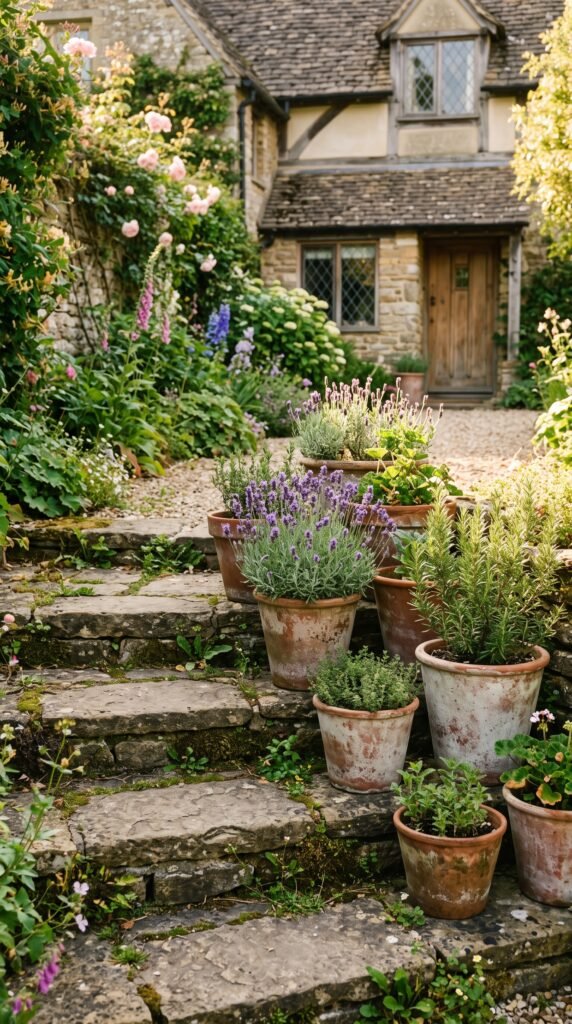
Not all distressed finishes read the same way, and matching the finish to your broader aesthetic matters. A heavily chipped, deeply weathered pot suits a wild cottage garden or a rustic stone-paved yard. A lightly chalky, softly faded finish reads more elegantly and suits a romantic or French country garden.
If your outdoor space leans toward a rougher, more natural aesthetic — think wooden crates, galvanised metal, and gravel paths — then Rustic Planters are the kind of piece that anchors the whole look. The texture is intentional and bold enough to hold its own against rougher materials without feeling out of place.
Build a Cohesive Colour Story
Distressed finishes do some of the colour-blending work for you, but you still want a loose palette to work within. The most visually successful container gardens tend to use two or three tones that repeat across the space — perhaps a warm terracotta base, a chalky white, and a faded sage green. When those tones reappear across pots of different sizes and placements, the garden starts to feel intentional rather than accidental.
For a shabby chic or vintage garden style, soft pastels in distressed finishes are especially powerful. Shabby Chic Pots hit that sweet spot between delicate and characterful — they soften a space without making it feel precious, which is exactly the balance that style demands.
Use Plants That Complement the Finish
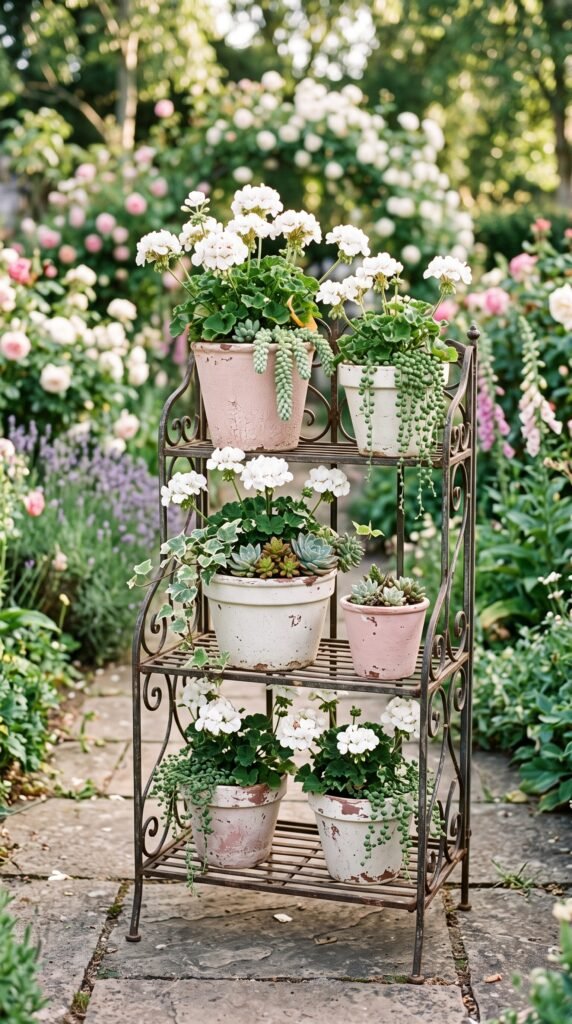
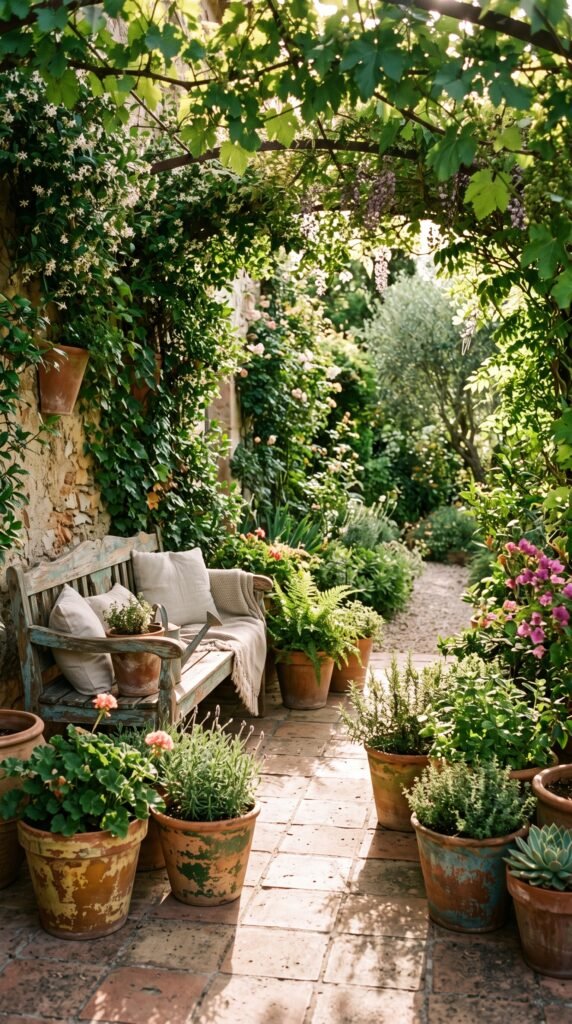
The plant you choose matters as much as the pot itself. Trailing plants like ivy, creeping jenny, or bacopa soften the edges of a pot and reinforce the sense of age — they look as though they have been spilling over the rim for years. Architectural plants like succulents, agave, or ornamental grass create striking contrast against a weathered surface.
Herbs work beautifully in distressed pots too. Rosemary, thyme, and lavender all have a slightly wild, naturalistic quality that pairs naturally with aged finishes. You end up with something that is both functional and genuinely beautiful.
how to style a cottage garden on a budget
Elevating the Look with Antique-Style Statement Pots
Once you have the basics of layering and colour in place, you can start thinking about statement pieces. These are the pots that anchor a display — larger, more detailed, often with relief patterns or aged glaze effects that make them feel genuinely antique even when they are brand new.
Antique Garden Pots serve this purpose well. Placed at the base of a staircase, flanking an entrance, or sitting at the centre of a raised bed arrangement, they signal that the garden has been designed rather than just planted. Even a single statement pot changes the reading of the entire space around it.
The key is restraint. One or two strong antique-style pieces work far better than ten competing for attention. Surround them with simpler, quieter pots and let them do the work of anchoring the composition.
Putting It All Together for a Stunning Garden Makeover
A stunning garden makeover does not require expensive landscaping, professional designers, or a full weekend of labour. It requires an understanding of what gives a space visual depth — and distressed clay pots are one of the most efficient tools in that process.
Start with a set of complementary pots in varied sizes. Choose a loose colour palette of two or three tones. Layer them in groups, vary the heights, and choose plants that soften and trail naturally. Then add one or two statement antique-style pieces to anchor the space.
According to the Royal Horticultural Society’s guidance on container gardening, the arrangement and character of containers can be just as impactful as the plants themselves — a principle that experienced gardeners and designers have long relied on.
The transformation is rarely about spending more money. It is about understanding that character, texture, and a sense of time are what turn a collection of plants into a designed outdoor experience. Distressed clay pots give you all three at once — and once you add them, you will find it very difficult to imagine your garden without them.
Ultimately, the transformation is rarely about spending more money. It is about understanding that character, texture, and a sense of time are what turn a collection of plants into a designed outdoor experience. Distressed clay pots introduce warmth, history, and personality in a way that brand-new containers often cannot replicate. They make even modest gardens feel curated, welcoming, and full of charm.
Whether you have a compact balcony, a suburban backyard, or a sprawling country garden, these timeless containers can elevate the entire space with very little effort. They blend beautifully with almost every planting style, age gracefully alongside the landscape, and continue to improve as they weather naturally. Distressed clay pots give you character, texture, and timeless appeal all at once — and once you add them, you will find it very difficult to imagine your garden without them.